



Two images of Corsica compete for our daydreams. On one side, a mountain ridge above the blue sea, the scent of sun-warmed maquis and a shepherd's hut beside the trail. On the other, the deck of a sailboat at anchor, emerald water beneath the hull and a red-granite cove best approached from the sea. Here, the mountains plunge into the Mediterranean, and the island lends itself to both kinds of journey. They simply appeal to different travelers.
So, to discover Corsica, should you lace up your hiking boots or raise the sails? Here is an honest comparison from a team that has explored the island's trails for more than forty years, followed by a quiz to help you choose.
To go straight to the answer, take the quiz: in 2 minutes, find out which way your heart leans.
Corsica on foot: getting to know the island
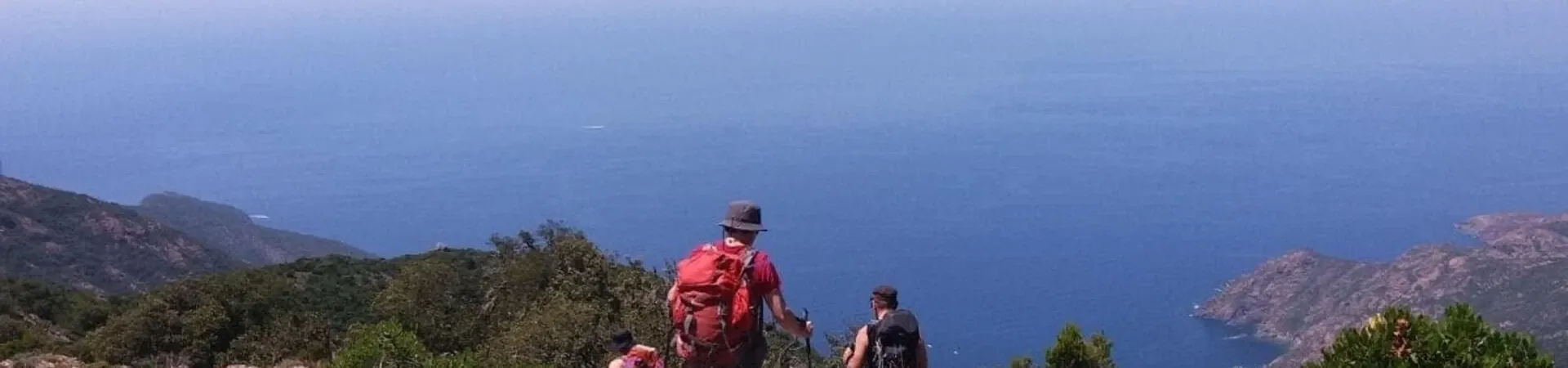
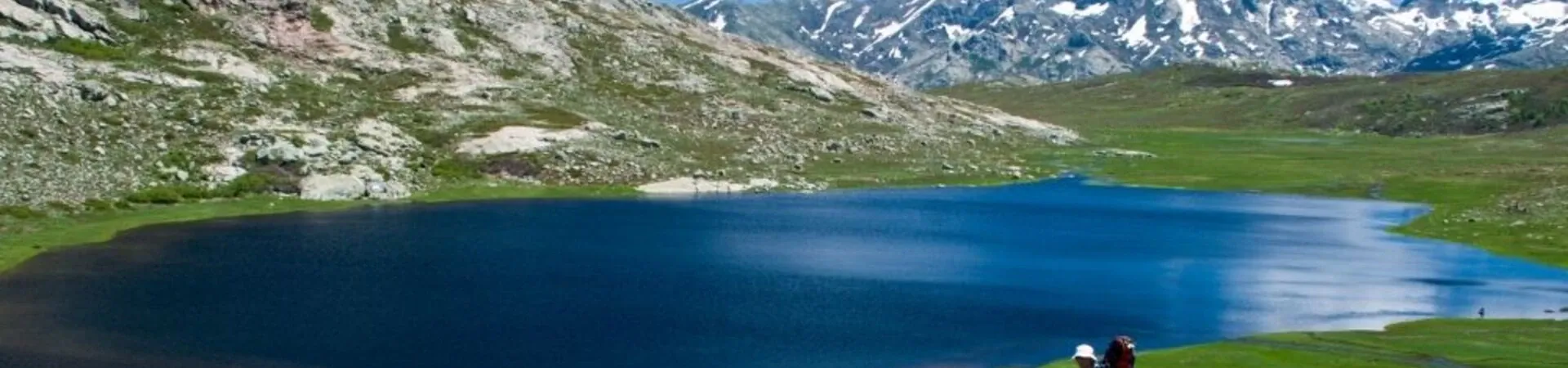
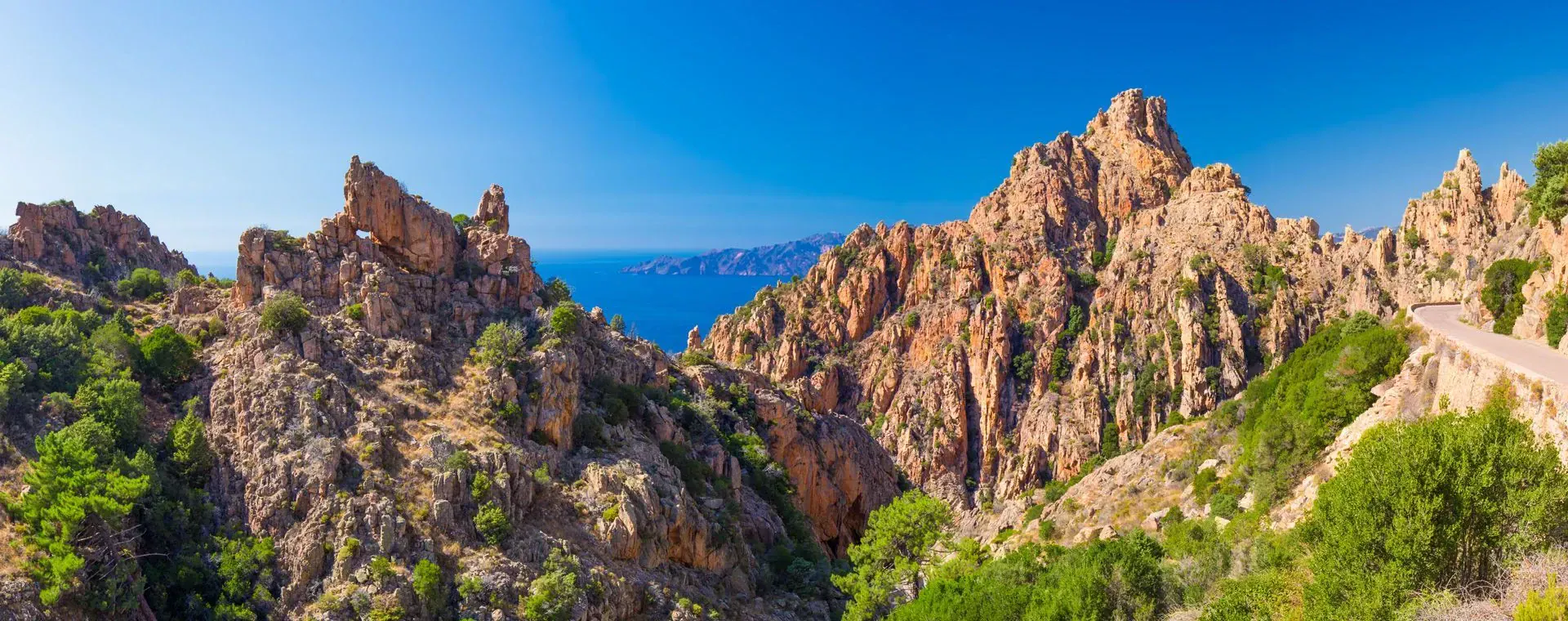
Walking in Corsica means stepping into the island's daily life. The trail takes you through fragrant maquis, up to a pass where the granite glows pink, then down to a hilltop village with a fountain shaded by chestnut trees. Shepherds' huts, local cheeses and conversations shape the journey, whether you meet a shepherd on the summer pastures or an innkeeper proud of the island's cured meats.
There are walks for a wide range of abilities. Along the coast, the Cap Corse coastal trail and the Mare e Monti from Piana to Calvi link coves and villages. Inland, the GR20 follows the island's mountainous spine, from the Bavella area in the south to the rugged northern mountains: this is a demanding trek for experienced hikers. On self-guided walking trips in Corsica, you follow your route notes at your own pace, with luggage transfers where the itinerary provides them. On guided walking trips, a local guide introduces you to the island's history and favorite places. Culture and nature are equally part of the experience. The Corsican itineraries linked here are on our French-language website.
This is the kind of journey Grand Angle has put together for more than forty years: trails, villages and shepherds' huts, with the logistics arranged for you. Our guide to self-guided travel explains how that balance of independence and support works. There is another way to explore the island, though: heading out to sea.
Corsica by sailboat: the freedom of the sea
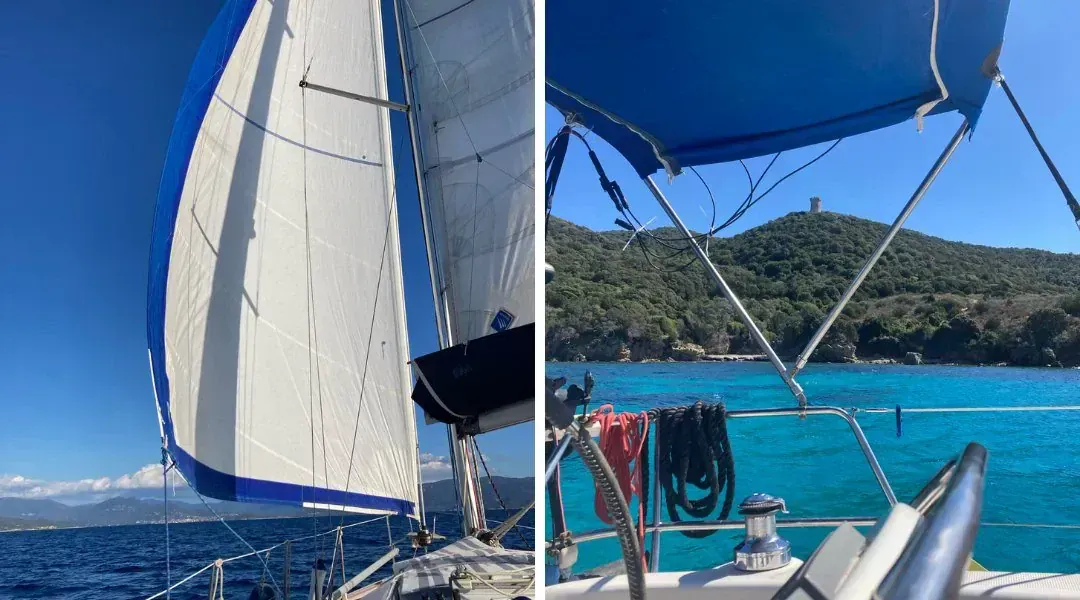
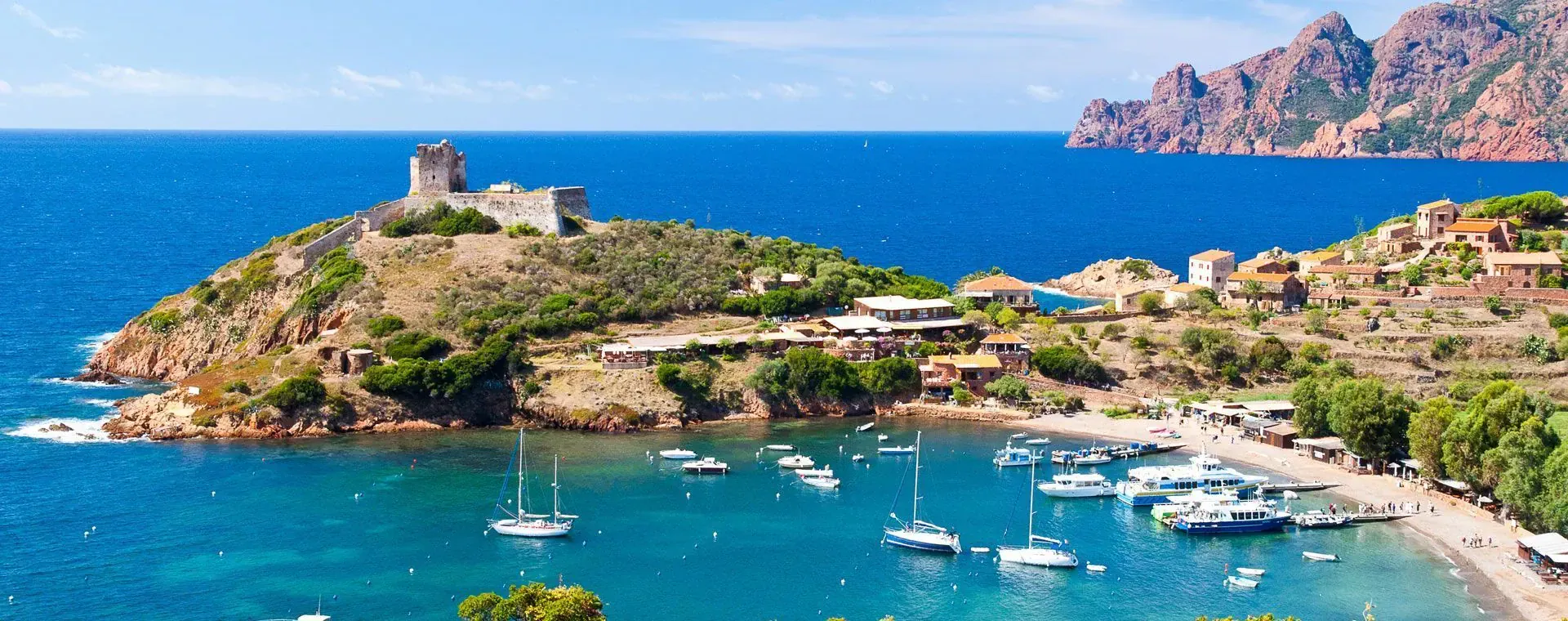
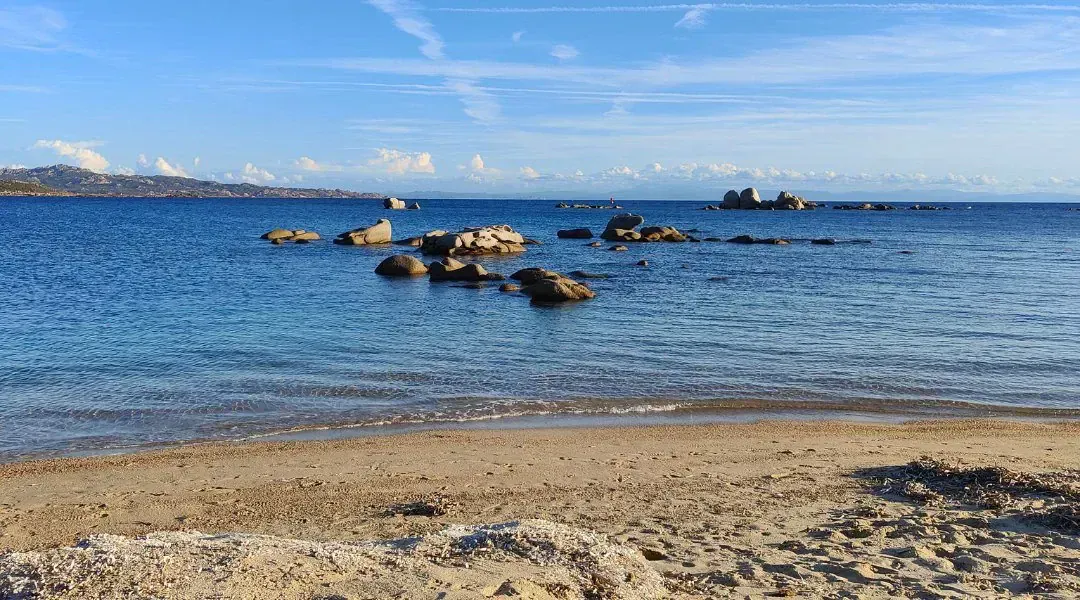
Taking to the water means following a wake instead of a trail. Under sail, Corsica reveals a different side: stretches of coastline with no road, the red cliffs of Piana, views of the Scandola reserve, Bonifacio's limestone cliffs and the clear waters around the Lavezzi Islands. You might end the day eating on deck as the sun sets. The Gulf of Porto, Cap Corse, the Gulf of Saint-Florent and the Agriates coast offer plenty of possibilities for sailing from one stop to the next. This can be a full week's journey: the boat becomes your floating home.
First, choose the right arrangement. A sailboat with a skipper, and perhaps a cook, is the maritime equivalent of a guided trip: someone handles the helm, knows the anchorages and takes care of the sailing. A bareboat charter resembles a self-guided walking trip: you take charge of the boat and the route, provided you already have sailing experience. Between these options, a cabin cruise offers a sociable alternative. You book a private cabin on a boat shared with other guests, often a catamaran. With a professional crew and a planned itinerary, it is the maritime counterpart of a small walking group. Check the cabin facilities and what is included when choosing your cruise.
This kind of trip takes preparation. A specialist agency such as GlobeSailor can help you charter a sailboat or catamaran, with or without a skipper, or book a sailing cruise in Corsica departing from one of the island's main ports. A dedicated adviser helps you choose your boat and prepare for departure, with boats supplied by professional charter operators.
Choosing your sailing area matters just as much as choosing the boat. Popular routes explore Saint-Florent and northern Corsica, the west coast, and the south and southeast. Bays along the west coast can provide sheltered stops, depending on the conditions. Exposed headlands and the Strait of Bonifacio can be windy, so experience or a skipper's judgment is especially valuable there.
Hiking or sailing: the comparison at a glance
Here is what sets the two ways of discovering Corsica apart.
| What matters to you | On foot | Under sail |
|---|---|---|
| Your connection with the landscape | Within it: maquis, villages and shepherds' huts | Along its edge: coastlines, coves and the horizon |
| Local encounters and culture | Central to the journey: inns, shepherds and heritage | More dependent on shore visits; much of daily life is on board |
| Freedom to choose your route | Walking stages arranged for you | Flexible, within the limits of weather and safe sailing |
| Access to the sea | Beaches and coves reached on foot | Anchorages and coastal views reached from the water |
| Physical effort | From coastal walks to the demanding GR20 | Active on a bareboat charter; less demanding with a crew |
| Experience needed | Depends on the trail and terrain | Sailing experience for a bareboat charter; none for a crewed cruise |
| Possible drawback | You stay on land | Seasickness and changing weather |
| Budget | Clearer when accommodation and transfers are booked together | Varies with the boat, season and crew |
On foot or under sail: what should guide your choice?
The right journey is the one that fits how you like to spend your vacation. Here are a few clues to help you decide.
Hiking is for you if...
- You travel for conversations, village inns, fragrant maquis, old stone buildings and the stories behind them.
- You want to explore Corsica from the inside, choosing a coastal walk or a demanding mountain trek to suit your ability.
- You appreciate having accommodation, transfers and luggage arrangements organized so you can concentrate on walking.
- You value knowing your itinerary and the main costs before departure.
If that sounds like you, our preference is clear: the trail is a rewarding way to discover Corsica's villages and mountain life. Before setting off, use our day-hike packing guide to prepare your essentials.
Sailing will appeal to you if...
- The sea is your horizon: you dream of quiet coves, swimming from the boat and nights rocked by the waves.
- You enjoy the idea of changing course with the wind and the conditions.
- You already know how to handle a boat, or you would rather leave the helm to a skipper.
- You like the prospect of sharing a boat with family or friends.
In that case, chartering a sailboat or catamaran, with or without a skipper, opens the door to Corsica from the water.
Take the quiz: hiker or sailor?
Answer 7 questions to find out which way your heart leans. Go with your first instinct.
When you wake up on vacation, you dream of...
What attracts you most about Corsica?
Your idea of freedom on vacation is...
When it comes to planning, you prefer...
How do you feel about being on a boat?
Your dream vacation comes down to one word...
What would you most like to bring home?
A hiker at heart
You want Corsica beneath your feet: fragrant maquis, hilltop villages and long evenings at a local inn. A self-guided or guided walking trip suits you. Start by exploring the Mare e Monti from Piana to Calvi, a rewarding route between the sea and mountains.
The call of the sea
The sea is what you dream of: quiet coves, swimming from the boat and nights rocked by the waves. A week under sail is your kind of journey. Choose a skippered charter if you are new to sailing, or a bareboat charter if you have the experience to handle the boat.
Between land and sea
Both land and sea appeal to you. You do not have to choose once and for all: walk from village to village on one visit, then save sailing for another. Our Cap Corse and Agriates walking trip, where the mountains meet the sea, is a rewarding introduction.
Would you like our ideas for walking trips in Corsica?
If the culture of a place and the atmosphere of its villages are what draw you in, discover Corsica on foot: that is our specialty. If the sea is what calls to you, sailing gives you another perspective on the coastline. Either way, allow yourself time to enjoy the journey. For more ideas closer to home on this site, explore our adventures in Europe.
Frequently asked questions
Which costs less for a week in Corsica: hiking or sailing?
A walking trip makes budgeting easier when accommodation, transfers and luggage services are included: you know the main costs in advance. Sailing costs vary with the boat, season, fuel, home port and whether you hire a crew. For a group, sharing a sailboat charter can be competitive per person. For a couple, walking is often the more economical choice. Compare the inclusions of each itinerary before booking.
Do you need a boating license to charter a sailboat in Corsica?
French rules do not require a boating license to operate a sailing yacht at sea. Charter companies still need evidence that you can handle the boat, often in the form of a sailing résumé, and may have their own requirements for the vessel and its flag. Confirm these with the operator before booking. If you have no sailing experience, choose a skippered charter or a crewed cabin cruise.
Can you discover Corsica by boat without knowing how to sail?
Yes. On a skippered sailboat or a crewed cabin cruise, a professional handles navigation, monitors the weather and manages the boat. You can enjoy the journey without taking the helm. A bareboat charter, by contrast, requires real sailing experience.
When is the best season for both hiking and sailing?
Late spring, particularly May and June, and early autumn, especially September, are appealing for both: temperatures are generally milder and there are fewer visitors than in midsummer. June to September is a common window for the GR20, subject to mountain conditions and the huts' staffed season. Check the current hut opening dates before planning. In July and August, start low-altitude walks early to avoid the heat. It is also peak sailing season, so book well ahead.
Can you get seasick while sailing around Corsica?
It depends on the person and the conditions. At anchor in calm water, movement may be slight. Around exposed headlands or in the Strait of Bonifacio, wind and swell can make the ride less comfortable. A sheltered itinerary and a skipper who adapts the route can help. If seasickness remains a concern, a walking trip keeps you on land.
Is hiking or sailing better for families or groups of friends?
Both work well for a shared vacation. Sailing brings everyone together on one boat, with swimming and life on board. Walking offers choices for different ages and abilities, from coastal trails to more demanding routes. Choose a walking itinerary that suits the whole group, or a boat with the space and facilities you need. It is as much a matter of preferences as age.
Can you combine hiking and sailing on the same trip in Corsica?
Yes, although each comes with its own logistics, and combining them within a single week often calls for a custom itinerary. Another option is to enjoy one experience fully, then return for the other: villages and mountain trails on one visit, the coastline under sail on the next. Walking is the experience Grand Angle has been arranging since 1983.
Still have a question?
Write to us and we will reply personally by email.
Article written by
Passionnée par les voyages et adepte du slow travel, j’ai la chance de transformer mon goût pour l’aventure en récits captivants. En tant que Responsable éditoriale chez Grand Angle Tours, agence spécialisée dans le… Read more


