Why choose Croatia for your next adventure?
Croatia stands apart as a destination where natural beauty and cultural heritage converge seamlessly. The Dalmatian archipelago creates a protected sailing corridor that's equally perfect for cycling aboard traditional wooden ships, allowing you to cover significant distances while island-hopping between historic ports. Unlike more crowded Mediterranean destinations, Croatia retains an authentic character—local fishermen still mend nets in harbor-side villages, family-run konobas serve octopus caught that morning, and medieval stone towns reveal new details with each visit.
The climate favors active travel from May through October, with reliable sunshine and moderate temperatures ideal for full days in the saddle. The terrain varies from flat coastal paths to rolling vineyard routes, accommodating different fitness levels while maintaining constant views of the Adriatic. For travelers seeking cultural tours in Europe with an active component, Croatia delivers Roman ruins, Venetian architecture, and UNESCO World Heritage sites accessible by bike.
How our Croatia bike & boat tours work
Our bike and barge tours in Croatia follow a proven formula: your floating hotel sails between islands while you sleep or relax, positioning you each morning at a new starting point for the day's ride. You cycle independently during the day using detailed route notes and GPS tracks, exploring coastal towns, inland villages, and island landscapes at your preferred pace. Your luggage travels with the boat, so you ride with just a small daypack.
This self-guided format gives you complete freedom to linger at a particular beach, extend your lunch at a waterfront restaurant, or take an alternative route suggested by locals. Our ground team provides 24/7 support should you need assistance, and your ship captain often shares insider knowledge about the best swimming spots or where to find authentic Croatian wine. The boats themselves are comfortable motor yachts or traditional gulets with air-conditioned cabins, deck space for relaxing between rides, and communal dining where you'll meet fellow travelers.
What's included in your journey
Your trip package covers accommodation aboard ship, daily breakfasts and most dinners, bike rental with panniers and repair kit, detailed routing information, and all ferry crossings between islands. Grand Angle works exclusively with Croatian partners who maintain high safety standards and environmental practices. We handle the complex logistics of island transportation and secure moorings in popular ports during peak season, allowing you to simply arrive and start exploring.
Exploring the Dalmatian coast and islands
The Dalmatian region stretches along Croatia's southern coast, characterized by limestone cliffs that drop into cobalt water, fragrant lavender fields, and islands where time moves according to the fishing schedule rather than the clock. Our routes connect significant ports like Split and Dubrovnik with lesser-known islands such as Korčula, Hvar, and Vis—each with distinct character and histories shaped by Greek, Roman, and Venetian occupation.
Split serves as the gateway to central Dalmatia, where Diocletian's Palace forms the living heart of the old town. From here, routes extend to Brač island with its famous white stone quarries and Zlatni Rat beach, or south to the Pelješac peninsula known for robust red wines. Hvar offers a mix of upscale harbor-front cafes and interior villages where elderly women still make lace by hand. Korčula claims to be Marco Polo's birthplace and maintains medieval sword dance traditions performed in summer months.
The islands' interiors surprise many first-time visitors—rather than barren rock, you'll find olive groves, vineyards producing indigenous grape varieties, and pine forests that scent the air. Cycling inland from coastal towns reveals stone shepherd shelters, Byzantine churches, and family farms producing olive oil using methods unchanged for generations. These quieter roads between villages provide the authentic encounters that make self-guided tours in Europe so rewarding for independent-minded travelers.
When to travel to Croatia
May and June offer ideal conditions: warm temperatures without summer's heat, wildflowers blooming across the islands, and local life still visible before peak tourist season. The Adriatic reaches comfortable swimming temperatures by late May, and restaurants operate at a relaxed pace with tables available without reservations.
September ranks as many travelers' preferred month, combining warm sea temperatures, harvest season in the vineyards, and noticeably fewer crowds in popular towns like Dubrovnik and Hvar. The light takes on a golden quality in early autumn, and local festivals celebrating the olive and grape harvests add cultural dimension to your journey. For those considering autumn trips in Europe, Croatia's extended season makes it particularly appealing when alpine destinations have already seen first snow.
July and August bring guaranteed sunshine and vibrant harbor nightlife but also higher temperatures and crowded moorings in popular ports. If traveling during peak summer, the boat-based format proves advantageous—you can swim directly from the vessel at anchor in quiet bays, avoiding beach crowds entirely.
Practical considerations for your Croatian adventure
Croatia uses the Euro and English is widely spoken in tourist areas, though learning basic Croatian phrases enhances interactions in smaller villages. The cycling infrastructure along the coast has improved significantly, with dedicated paths in some sections and generally respectful drivers on shared roads. Traffic remains light outside major cities, particularly on island roads.
Fitness requirements are moderate for most Dalmatian routes—you should be comfortable cycling 25-40 kilometers per day on mixed terrain. Electric bikes are available with advance notice, making hillier sections more accessible. The boat-based format means you can opt out of cycling any particular day and simply enjoy the sail between islands.
Croatia requires standard EU travel documents for American visitors. Travel insurance should cover both cycling activities and boat travel. We recommend booking accommodations in Dubrovnik or Split before or after your boat trip well in advance, as these cities fill quickly during cruise ship season.
Families and Croatia's island routes
The Dalmatian coast suits active families with teenagers who are confident cyclists. The boat provides a stable base that eliminates the stress of packing and unpacking at different hotels, while daily cycling distances can be shortened by returning to the boat early or skipping sections via the support vehicle. Swimming opportunities at lunch stops and in the evenings keep younger travelers engaged.
Croatian culture is family-oriented, and restaurants accommodate children naturally. The historical sites—particularly Diocletian's Palace and Dubrovnik's walls—capture young imaginations more effectively than many museum-based experiences. For families seeking self-guided bike tours in Europe with built-in variety, the combination of cycling, swimming, and island exploration maintains interest across age groups.
Beyond cycling in Croatia
Travelers drawn to Croatia's coastal landscapes often explore complementary destinations in the Adriatic region. Italy's adventure travel options include the nearby Venetian lagoon and Friuli-Venezia Giulia region, sharing similar cultural influences and cycling conditions. Greece's active travel routes, particularly in the Cyclades, offer comparable island-hopping experiences with different architectural styles and culinary traditions.
For those interested in bike and boat formats elsewhere in Europe, the Danube cycling routes provide a river-based alternative with different scenery and cultural contexts. Croatia's mountainous interior also offers hiking opportunities in national parks like Plitvice Lakes and Paklenica, though these require separate arrangements beyond our coastal cycling programs. The combination of European hiking tours and cycling in the same region allows for varied trip planning across multiple visits.
Our team at Grand Angle draws on decades of experience organizing active travel throughout Europe. Whether you're considering your first bike and boat adventure or looking to explore new corners of the Mediterranean by pedal power, we're available to discuss route options, timing, and logistics. Contact our team to start planning your Croatian journey.



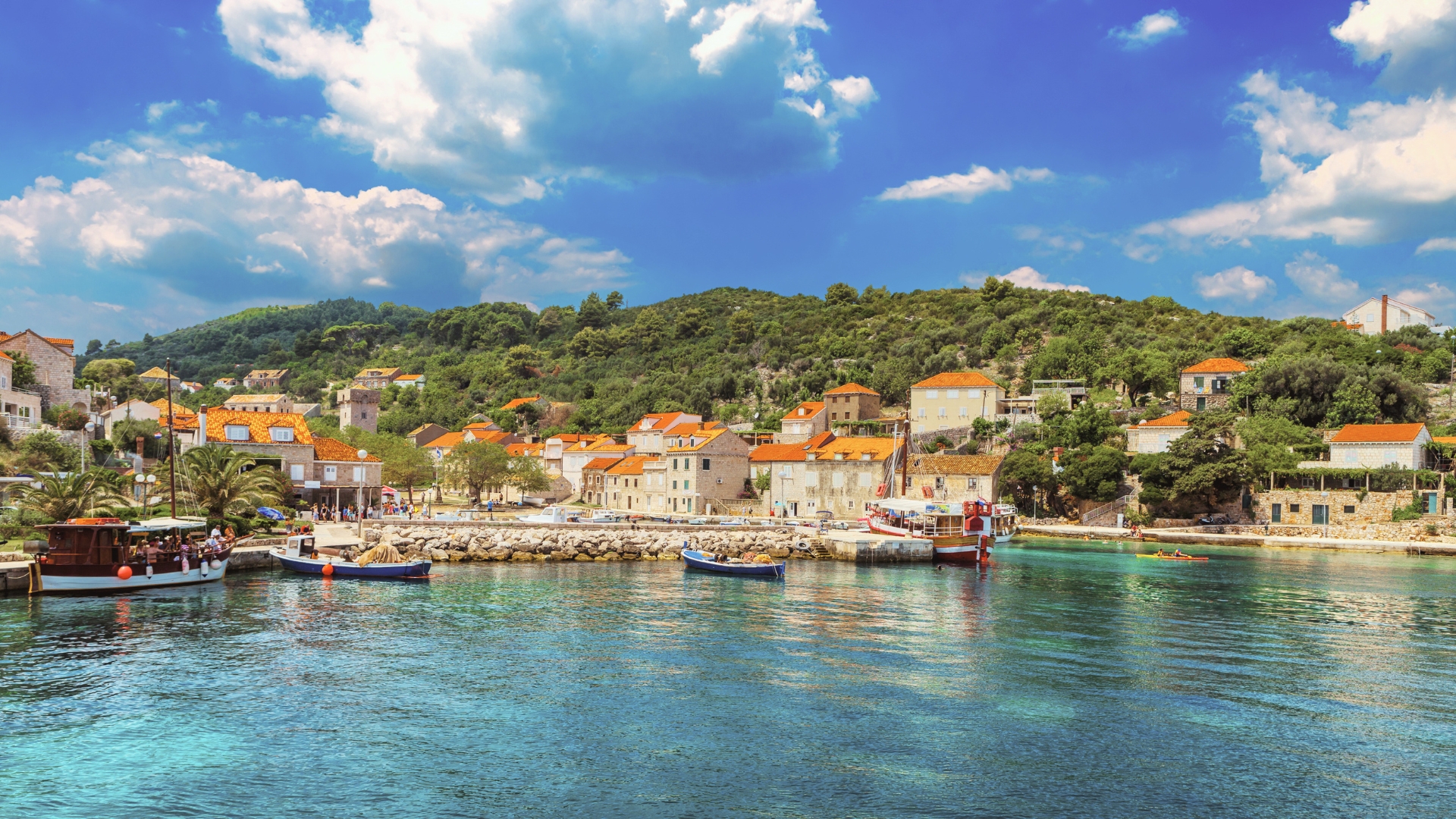

Pearls of Dalmatia by Bike & Boat