Currencies
France is a Member-States of the European Union and use its uniform currency – the Euro €. France, as is the case with the other Member-States of the E.U. uses eight coins as follows: 1, 2, 5, 10, 20 and 50 cents and 1 and 2 Euros. The banknotes are issued in the following denominations: 5, 10, 20, 50, 100, 200 and 500 Euros. Currency exchange rates are clearly displayed in every bank that accepts currency exchange, while credit card holders may acquire money from the ATMs of the collaborating banks. French banks are generally open for the public from 8:30 to 12:00 and 14:00 to 17:30 Monday through Fridays. They are closed on Public Holidays. Euros can also be exchanged for notes of other foreign currencies at exchange offices that are situated at the airport and certain main ports, in the larger cities, as well as at many tourist destinations. A passport is required when exchanging currencies.
THE “GOLDEN ISLANDS”
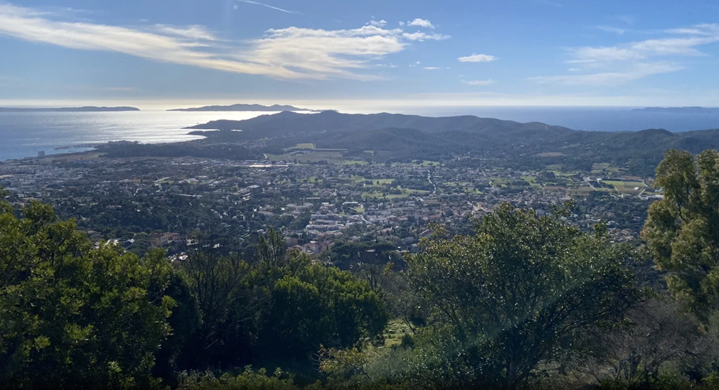
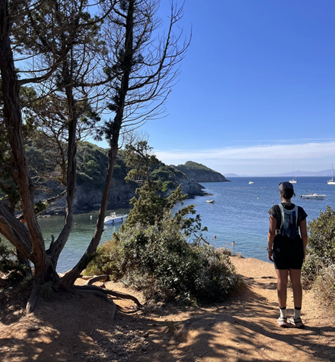
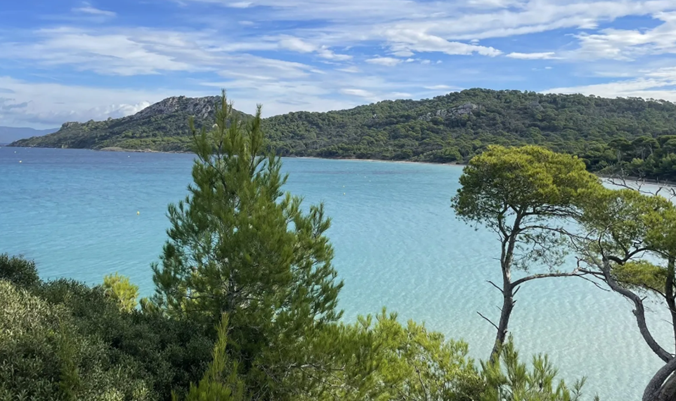
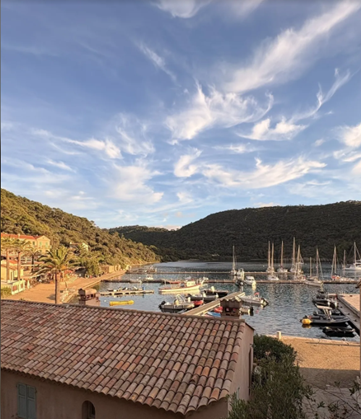
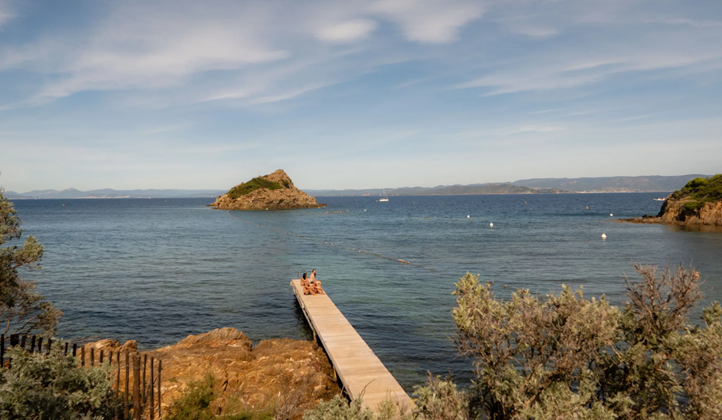
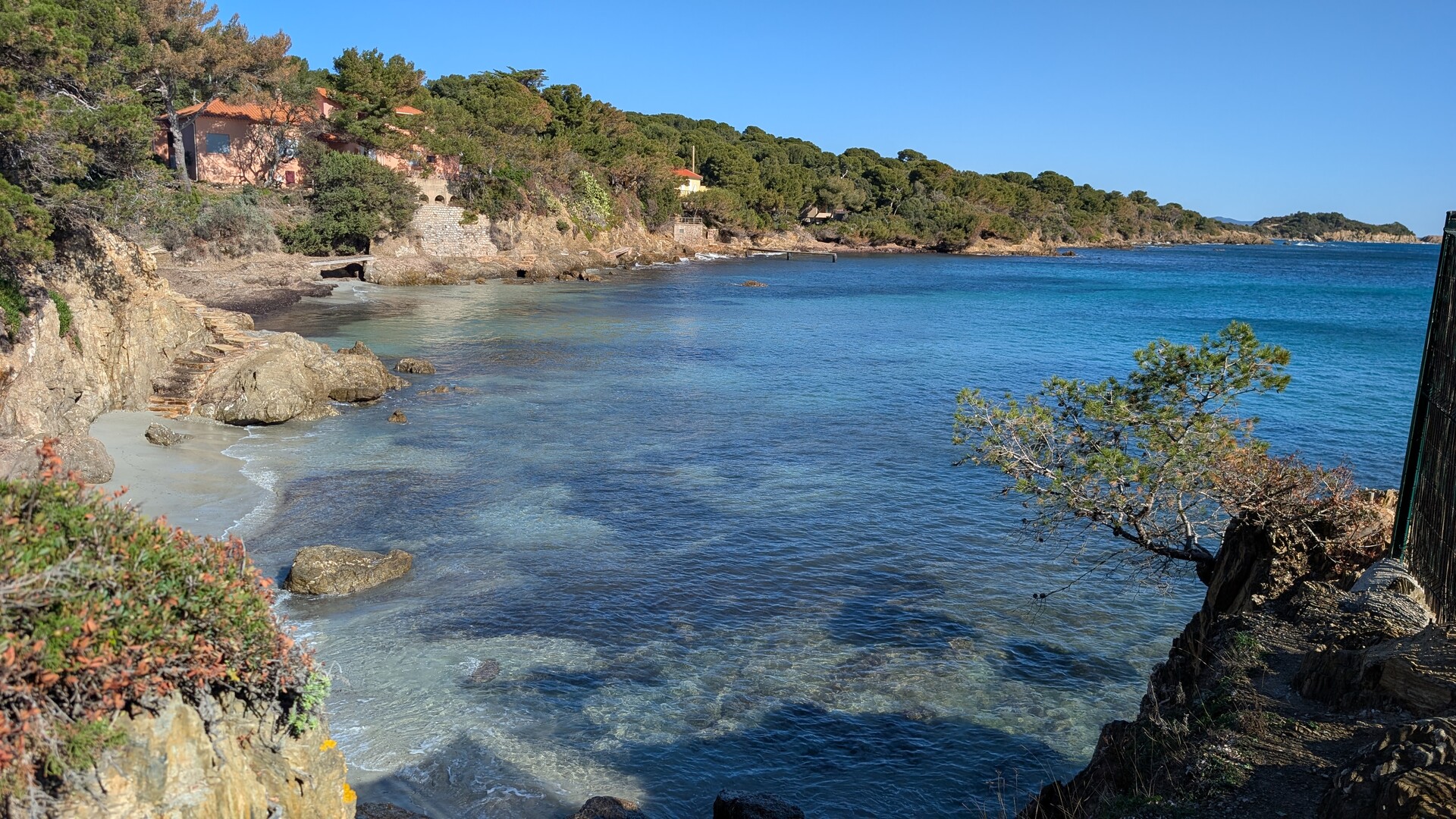
Facing the Maures mountains, off the coast of the Giens Peninsula, the three islands of Hyères (Porquerolles, Port-Cros and Île du Levant) have remained untouched and today represent the last remnants of what the French Riviera once was before being submerged under concrete.
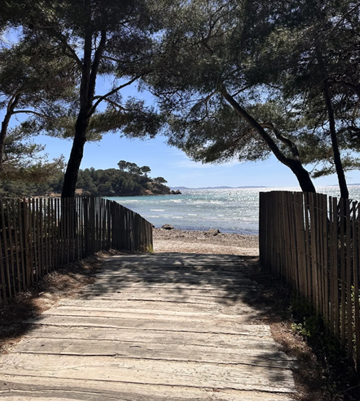
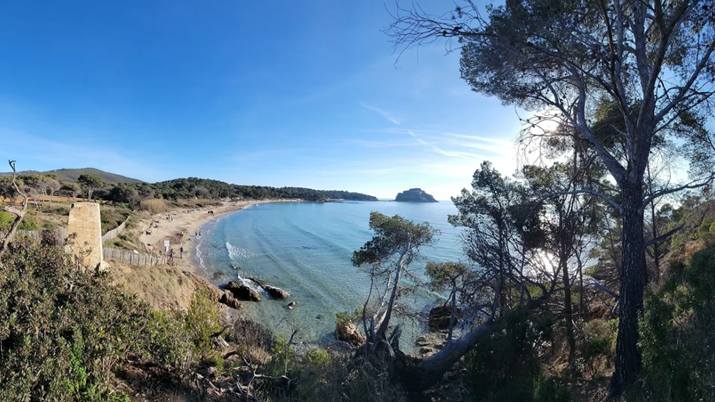
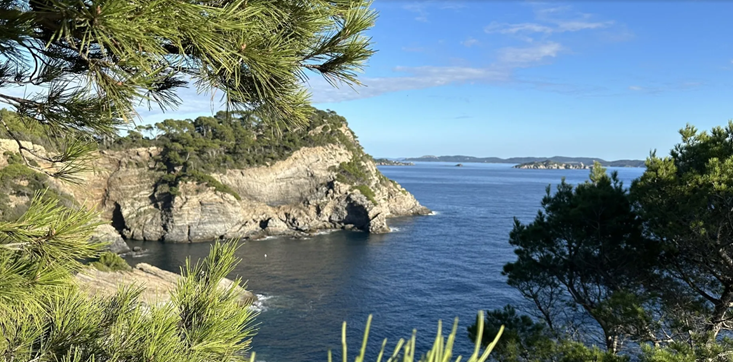
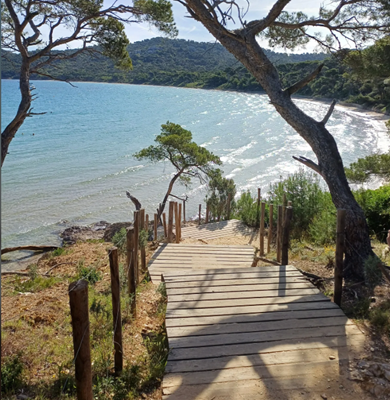
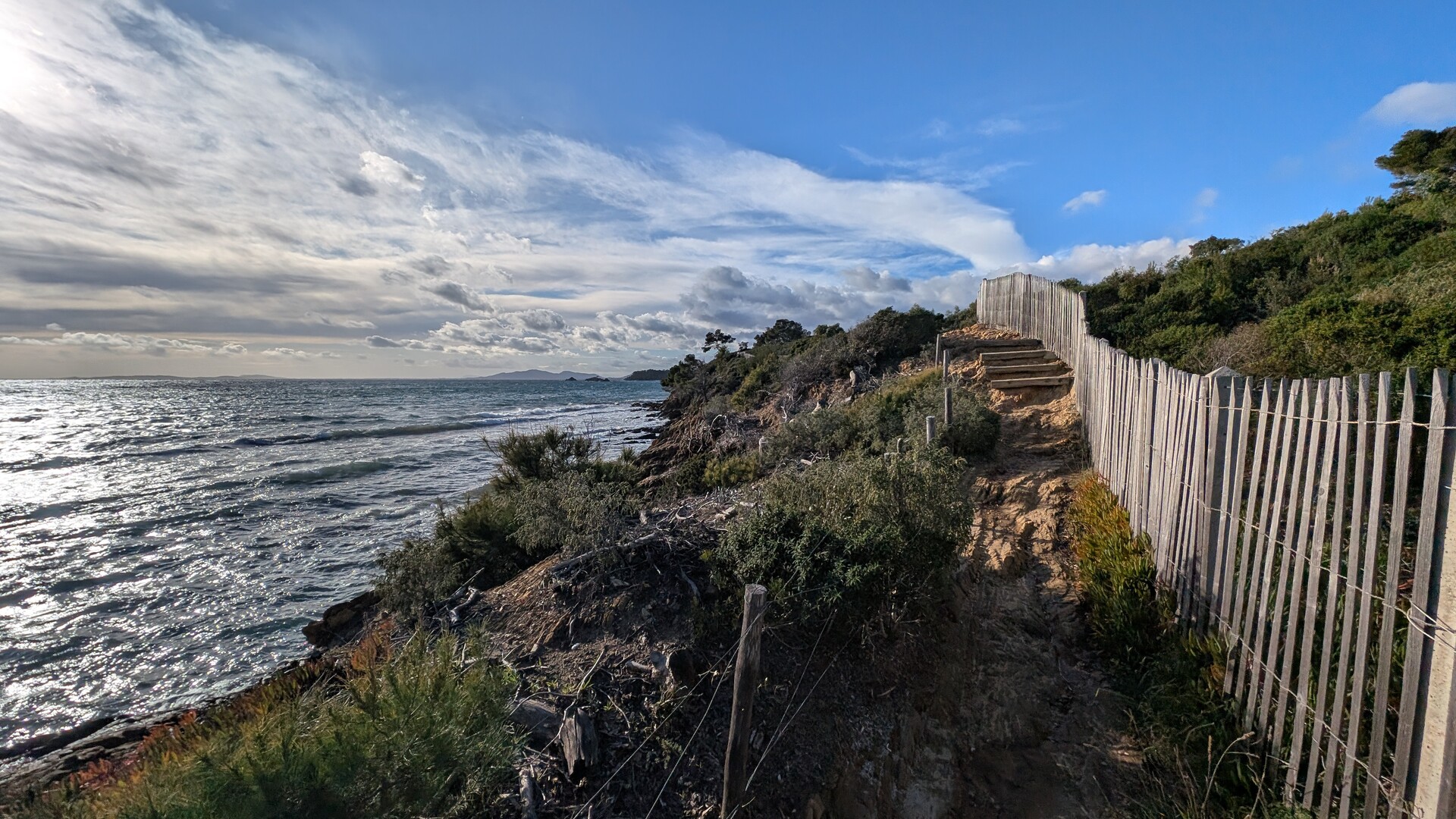
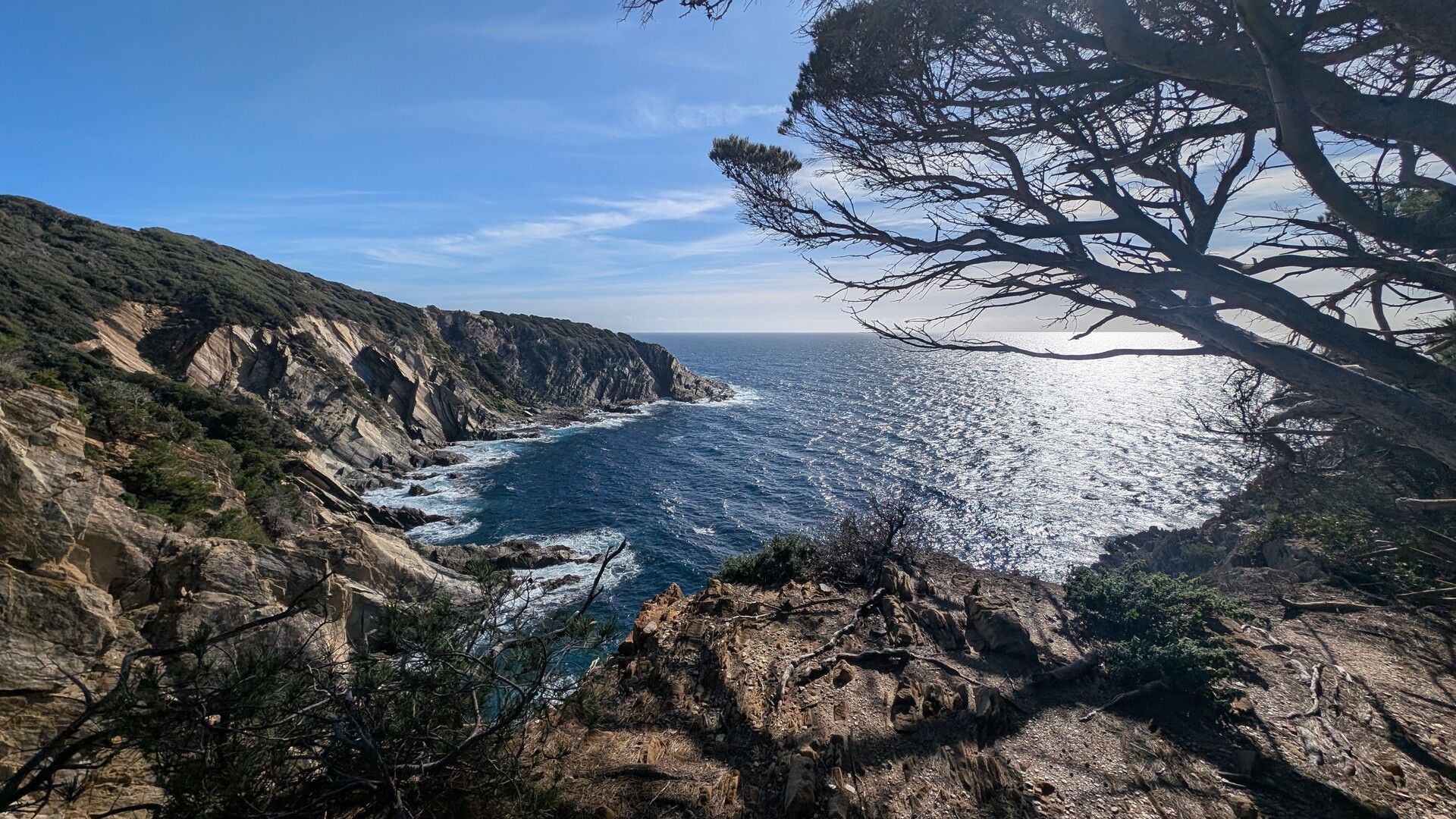
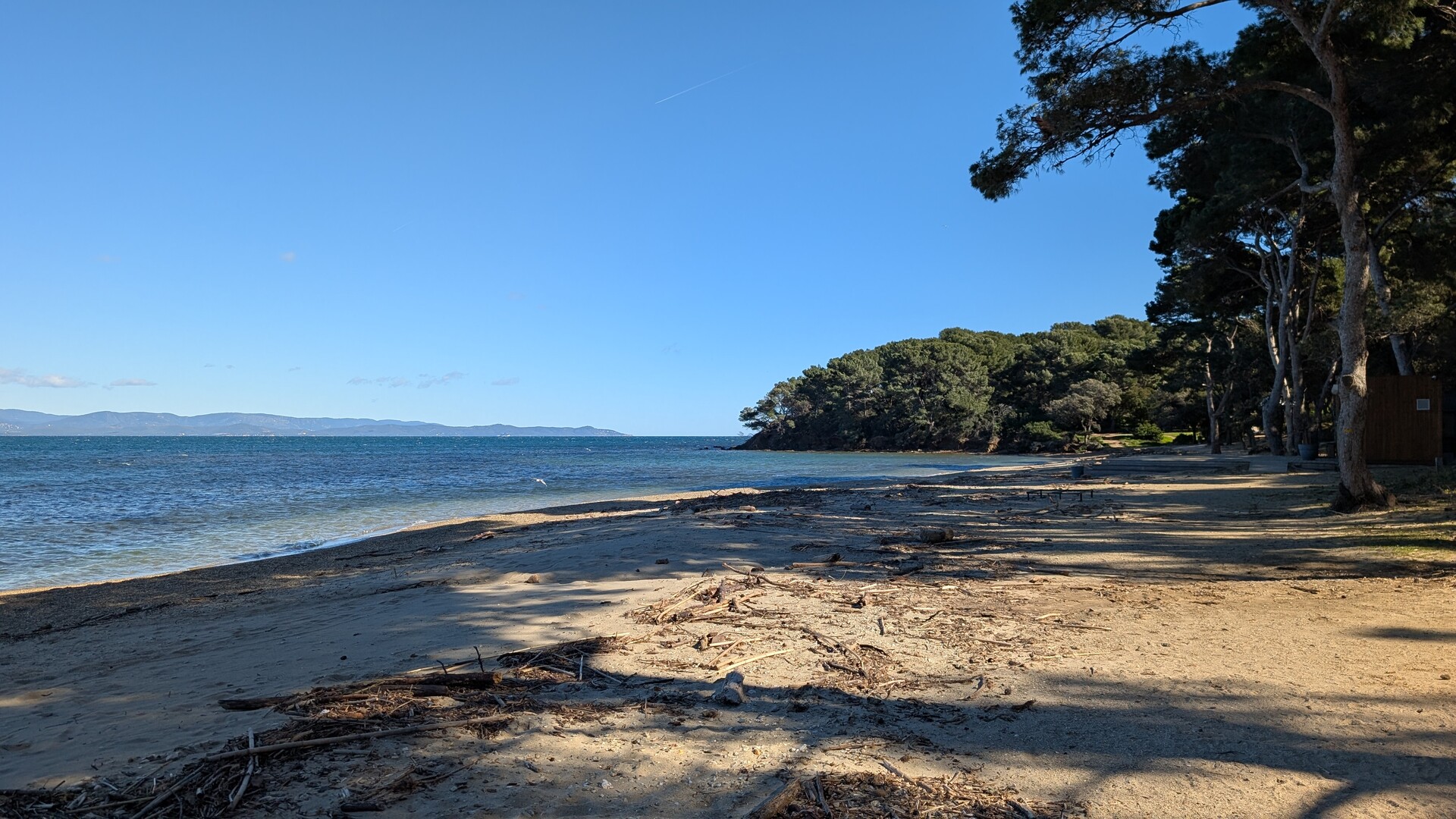
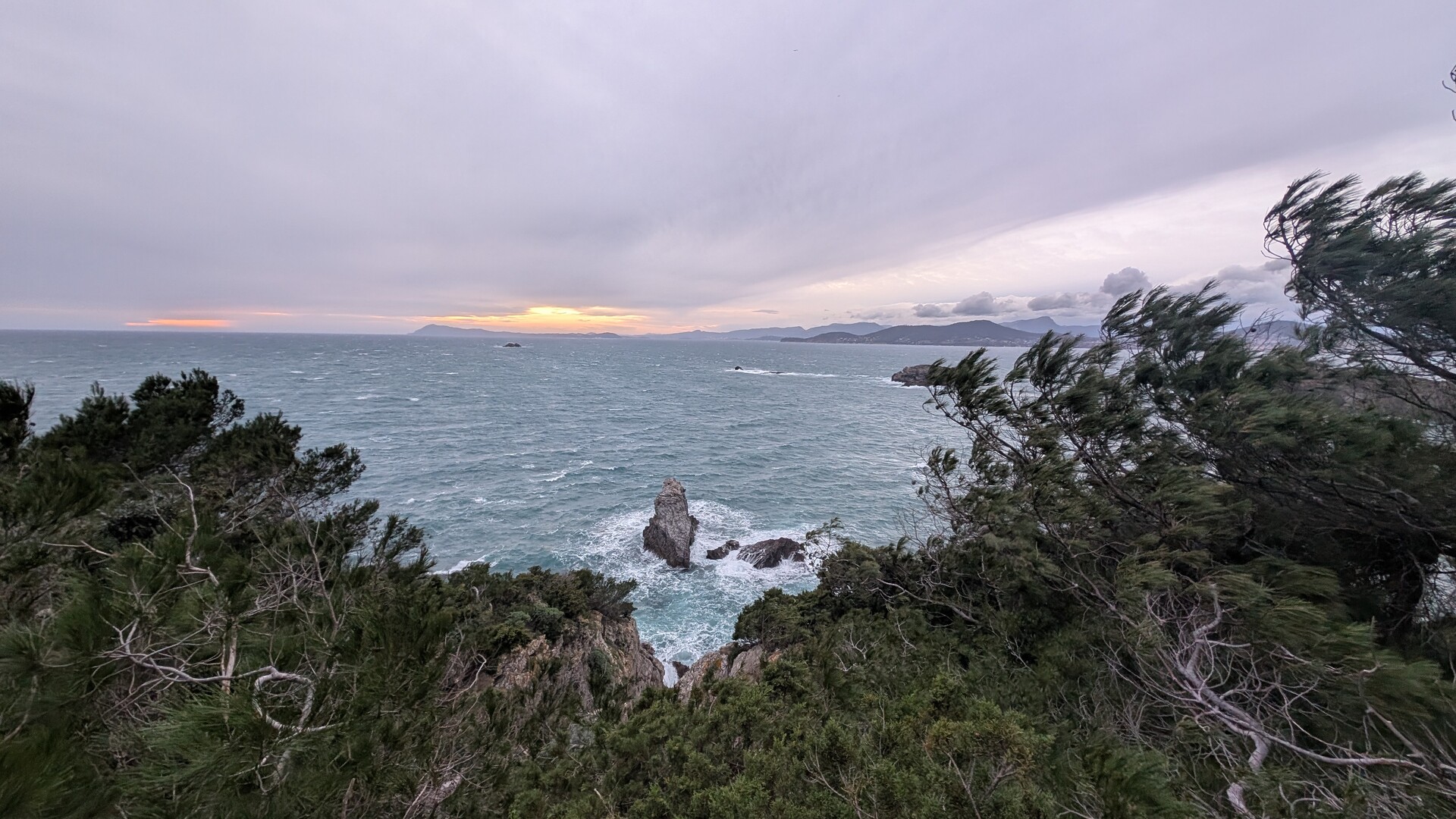
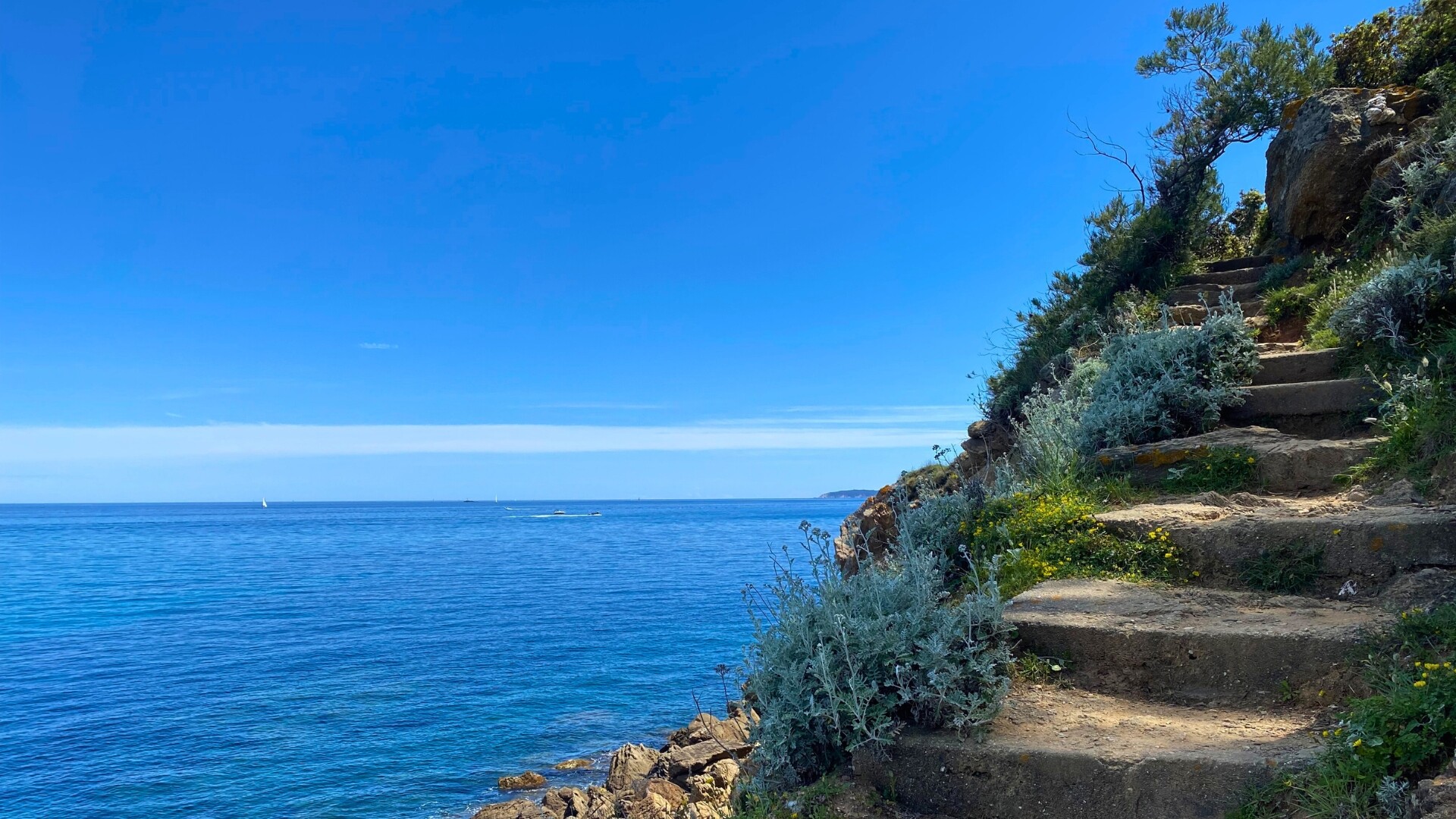
Between 2 and 3km (1.2 to1.9mi) wide and 7.5km (4.7mi) long, Porquerolles is the westernmost and largest of the three islands. Its terrain, high and rugged on the seaward side with coves and cliffs rising up to 100m (328ft) above the sea, slopes gently northward into stretches of fine sandy beach. From west to east, four cultivated plains are separated by hills covered with forests of cork oak, Aleppo pine, eucalyptus, fig, olive, and strawberry trees. There are no roads on the island; only dirt paths allow you to explore it.
Throughout the island, visitors will find a magnificently preserved natural environment with all the typical Mediterranean species. In 1971, the French State purchased four-fifths of the island and placed them under the care of the Port-Cros National Park, while a botanical conservatory safeguards species of oleander, almond, mulberry, apricot, and peach trees that have disappeared from gardens elsewhere.
The 350 residents who live on the island make their living from agriculture, vineyards, fishing, and tourism.
A BIT OF HISTORY…
In 1912, François Fournier purchased the island of Porquerolles at auction. A 55-year-old self-made man, he had left his home country, Belgium, penniless, became a foreman on the Canadian Pacific Railway, took part in the Panama Canal project, and made his fortune prospecting for gold in Mexico.
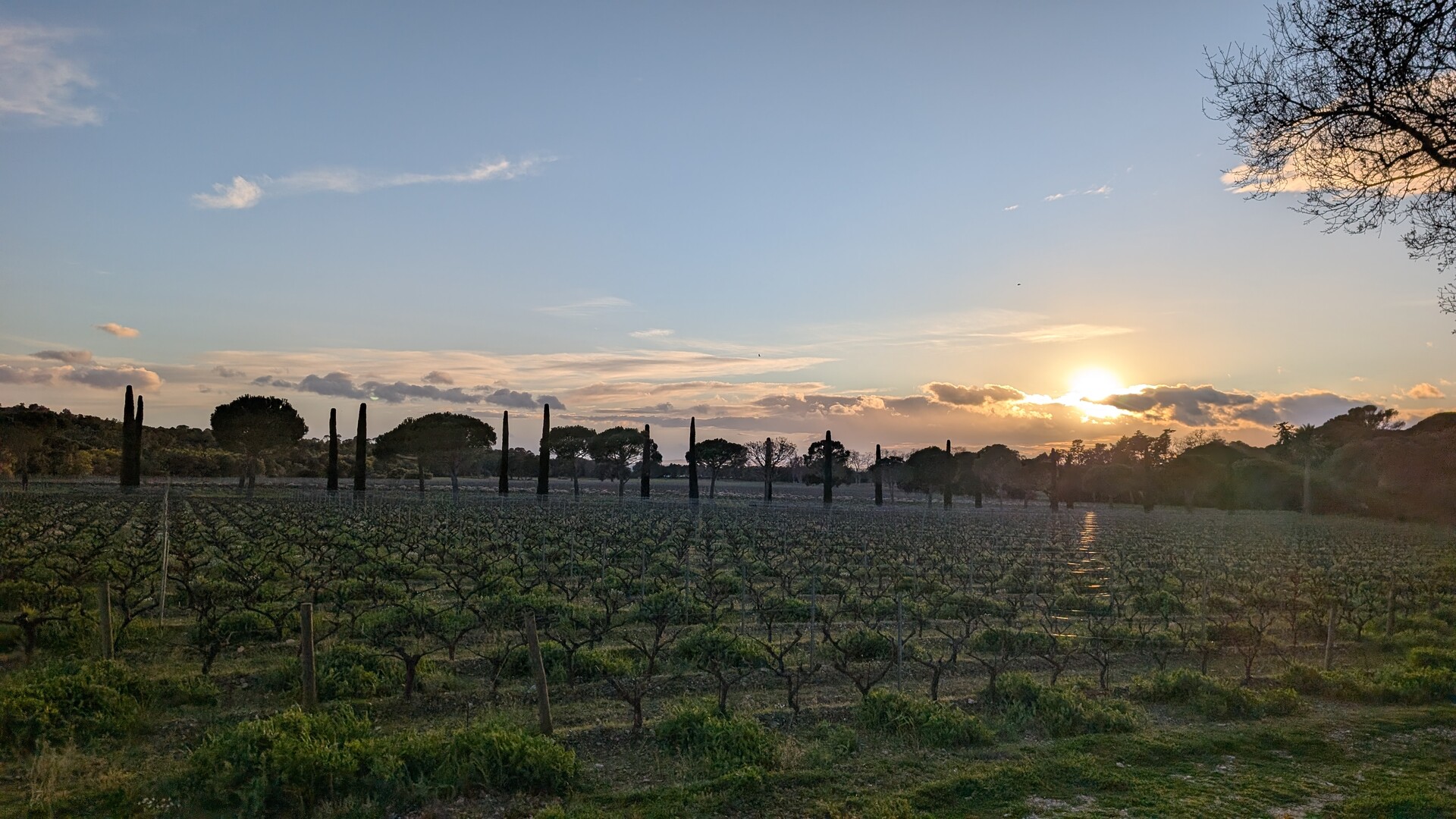
Upon his return, he bought Porquerolles as a gift for his young wife, and transformed it into a vast garden. He planted vineyards, fruit trees, cereal fields, and introduced sheep.
When he died in 1935, his children resisted the lure of real estate development and preserved the island intact, shaped according to the dream of their idealistic father.
WITNESSES OF TIME
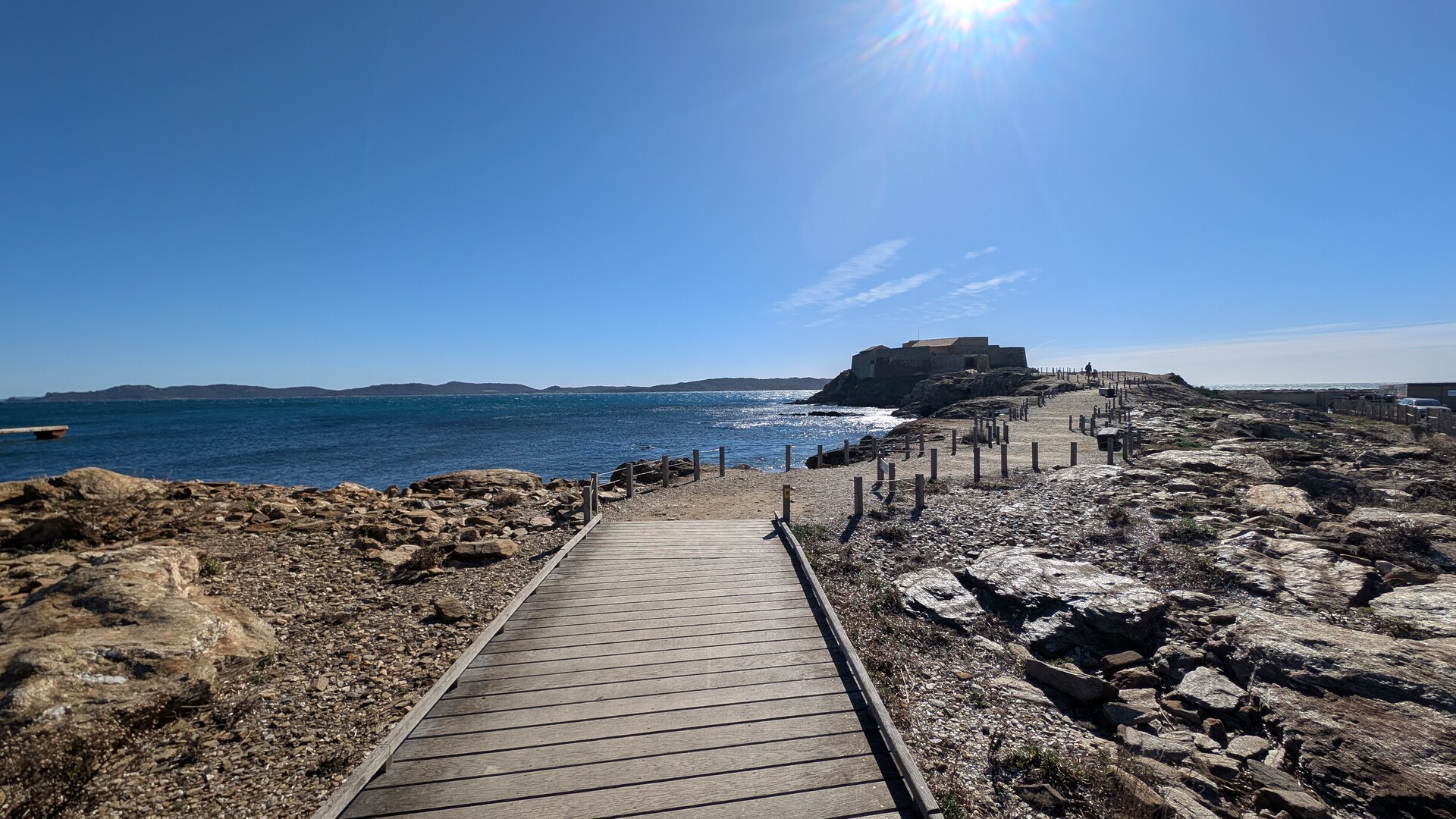
Fort Sainte-Agathe overlooks the entire archipelago and the bay of Hyères. Built in 1531, destroyed, rebuilt, and expanded in the 19th century, it now houses an exhibition on underwater archaeology.
Among its treasures are elements of Greek shipwrecks dating back to 600 BC, recovered from excavations around the islands. The “Madrague de Giens,” a commercial vessel from antiquity, measured nearly 30 meters (100 feet) long and could transport 8,000 amphorae.
However, no shipwreck from the Middle Ages has yet been discovered. On the other hand, battles against the English and the Dutch in the 18th century have left remains rich in fascinating history. Each artifact found is catalogued and treated to be preserved or exhibited at the fort.





 0Kg of CO2e related to luggage transport
 0Kg of CO2e for your accommodation


Traveller’s reviews