


In the heart of the eastern Dolomites, three stone giants rise majestically toward the sky, sculpted over millennia and bearing witness to a geological story more than 200 million years old. The Tre Cime di Lavaredo, or Drei Zinnen in German, embody the very essence of the Alpine mountains: dolomitic towers with vertiginous walls that capture the traveler’s soul and fuel the imagination of generations of hikers and climbers.
These three limestone peaks, reaching elevations between 2,857 and 2,999 meters, offer far more than a simple panorama. They tell the epic tale of ancient tropical coral reefs transformed by tectonic forces, shelter remarkable Alpine biodiversity, and have remained a privileged stage for human adventure for a century and a half.
Want to discover the iconic hike? Head straight to the classic loop to admire the three peaks from every angle, or to the practical information section to learn more about the toll road and parking. Otherwise, let yourself be guided through this in-depth exploration that goes far beyond a simple scenic discovery:
- Geological architecture
- A rocky triumvirate with many faces
- A natural sanctuary: wildlife and flora of the heights
- Off the beaten track: discovering the Tre Cime step by step
- Alpine memory: the legacy of the first conquerors
- Practical immersion: planning your discovery of the Tre Cime
Geological architecture
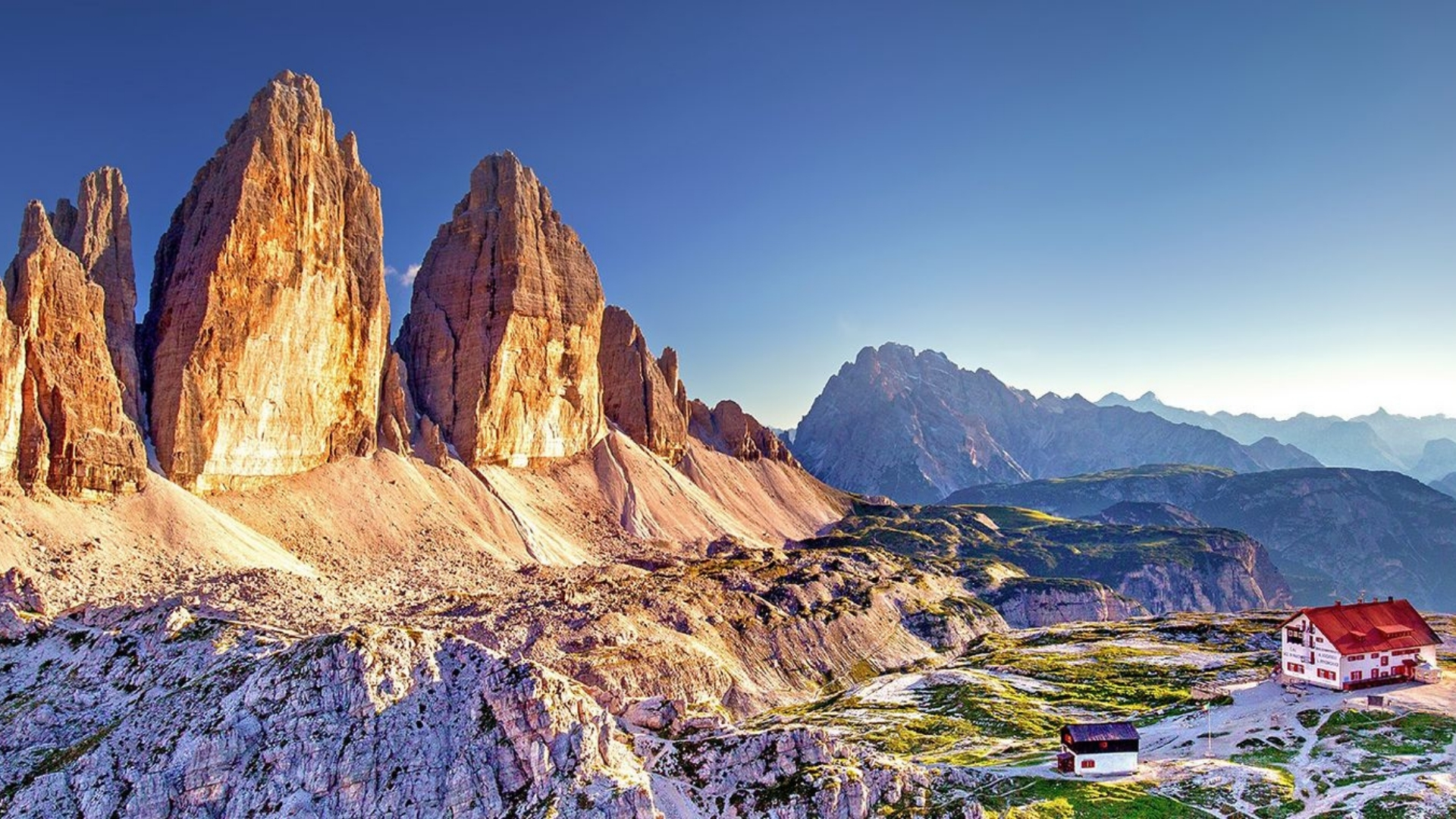
To understand the majesty of the Tre Cime di Lavaredo, we must go back to the Triassic period, around 250 million years ago. At that time, the present-day Dolomites were covered by a vast tropical sea where towering coral reefs thrived, formed by marine organisms and sediment deposits. This primitive sea saw the development of atolls and volcanoes, creating ideal conditions for the accumulation of carbonate materials.
The three towers we admire today are made of well-stratified dolomite belonging to the Dolomia Principale (Hauptdolomit) formation, dating from the Carnian to the Rhaetian. This carbonate sedimentary rock, composed of at least 50% dolomite—a double calcium and magnesium carbonate with the formula CaMg(CO₃)₂—gives the Tre Cime their characteristic color and resistance to erosion.
The transformation of these marine reefs into mountains resulted from the collision between the African and European continental plates. Under this titanic pressure, enormous rock masses were stacked and folded, gradually lifting these former seabeds toward the sky. Erosional processes then sculpted the present landscape, with different rock layers wearing away at varying speeds, creating the characteristic alternation between sheer walls and lush alpine meadows.
This exceptional geological history earned the Dolomites UNESCO World Heritage status in 2009. They represent one of the best-preserved examples of Mesozoic carbonate platform systems, with remarkable fossil records. In the rocks of the Tre Cime, you can still observe fossilized inhabitants of that primitive sea—petrified traces of tropical marine life that has long since disappeared.
A rocky triumvirate with many faces
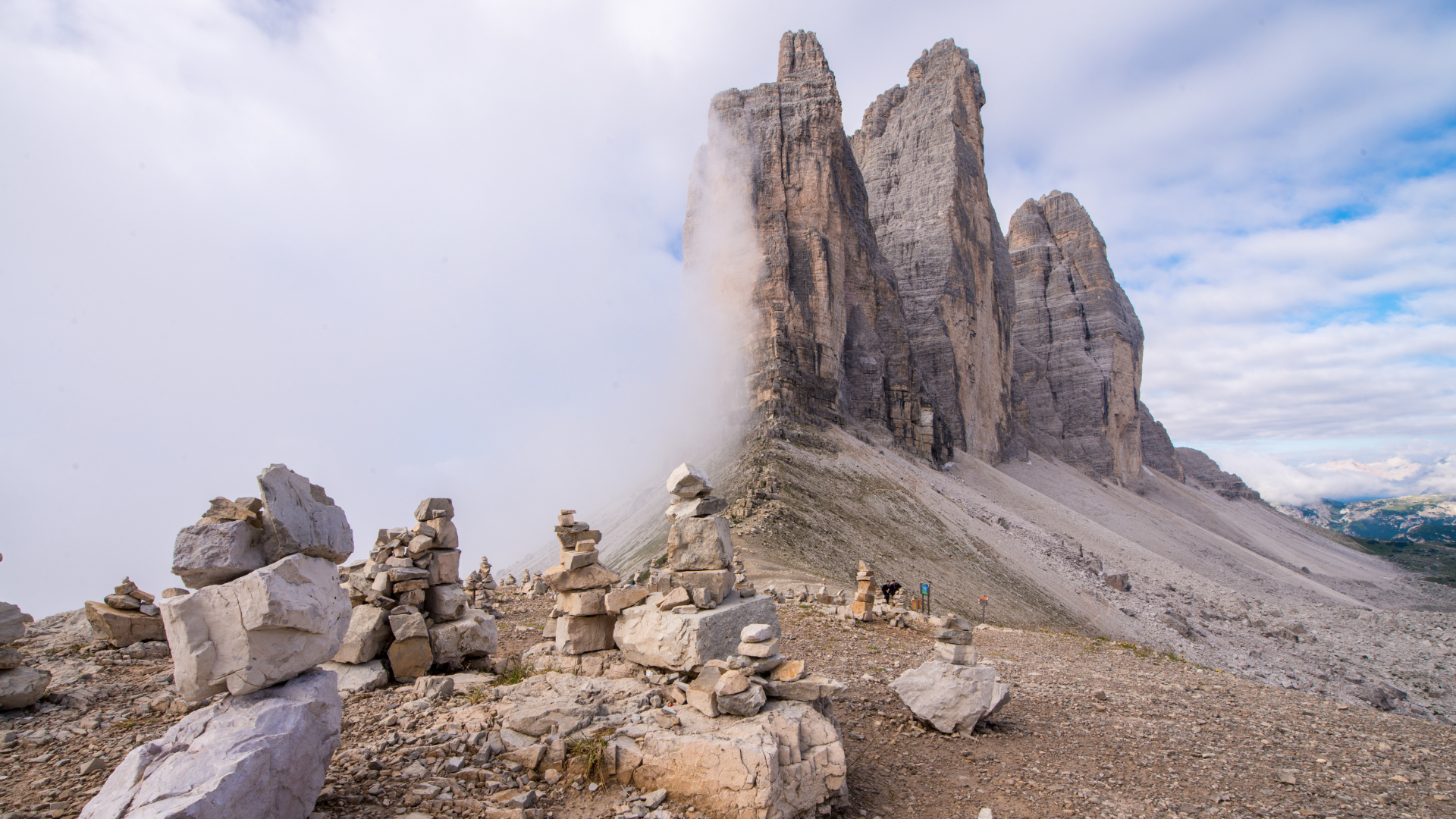
The Tre Cime di Lavaredo massif is made up of three distinct peaks, each displaying its own geomorphological personality. From east to west, these giants are named Cima Piccola (Kleine Zinne, 2,857 m), Cima Grande (Große Zinne, 2,999 m), and Cima Ovest (Westliche Zinne, 2,973 m).
Cima Grande, the highest of the trio, has drawn particular attention from climbers since the historic first ascent by Paul Grohmann on August 21, 1869. Its vertical faces—especially the formidable north wall rising more than 600 meters—provide an exceptional playground for high-level climbing. This north face, first climbed by Emilio Comici in 1933, remains one of the legendary routes of Dolomite mountaineering.
The Tre Cime stand on the southern edge of the vast Zinnen Plateau, an Alpine platform located between 2,200 and 2,400 meters in altitude marking the end of the Rienza Valley. This remarkable geographic position places the three towers on the border between South Tyrol and Veneto, still marking the linguistic boundary between German- and Italian-speaking areas.
North of the peaks lie the small Tre Cime mountain lakes (Zinnenseen), aquatic jewels nestled in this lunar-like setting. This area, part of the Tre Cime Nature Park (formerly the Sexten Dolomites Nature Park), has benefited from strict environmental protection since its UNESCO listing.
Light phenomena: the alpenglow of the dolomitic giants
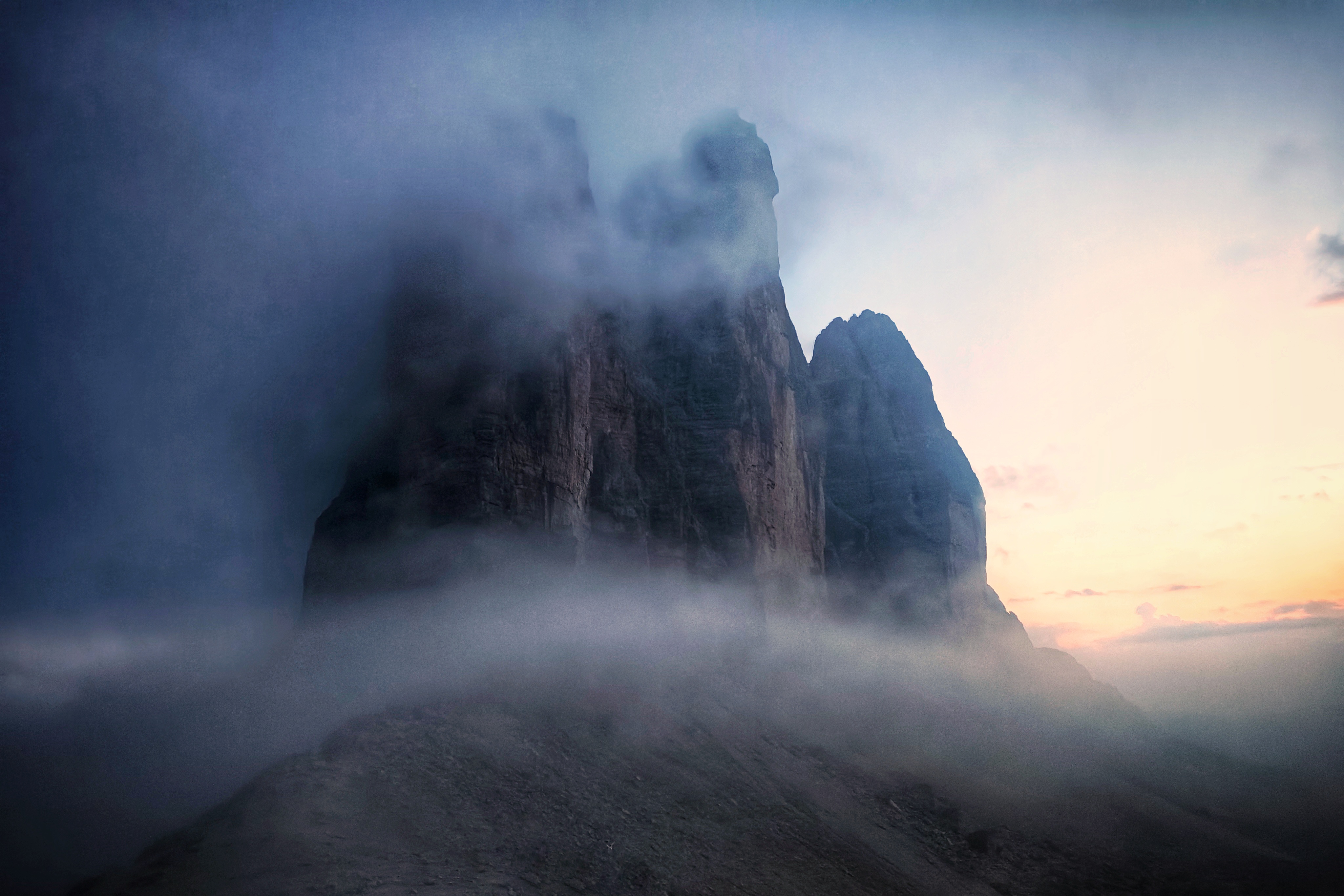
The Tre Cime offer one of the most striking spectacles in the Alps: alpenglow, the luminous phenomenon that sets limestone walls ablaze in the first and last light of day. The particular mineral composition of dolomite, enriched with iron oxides, gives these rocks their ability to reflect pink and golden hues at sunrise and sunset.
This natural display, especially intense in winter when crystal-clear air amplifies light contrasts, transforms the three towers into true mineral beacons overlooking the Sexten Valley. Photographers and mountain lovers from around the world come to capture these magical moments when the stone seems to glow from within.
A natural sanctuary: wildlife and flora around the Tre Cime
The Tre Cime di Lavaredo ecosystem hosts remarkable biological diversity, adapted to the harsh conditions of the high Dolomite mountains. This ecological richness stems from the variety of environments present: vertical cliffs, scree slopes, alpine meadows, subalpine forests, and wetland areas around high-altitude lakes.
Exceptional Alpine flora
The Tre Cime region contains around 1,400 different plant species, some endemic to the Dolomites. This floral diversity is organized into distinct vegetation zones, each adapted to specific microclimatic conditions at altitude.
In the lower zones surrounding the valleys, mixed deciduous forests dominate, gradually giving way with elevation to conifers and beech stands. Spruce, silver fir, and Swiss pine form most of the forest cover up to the tree line, around 2,000 meters in altitude.
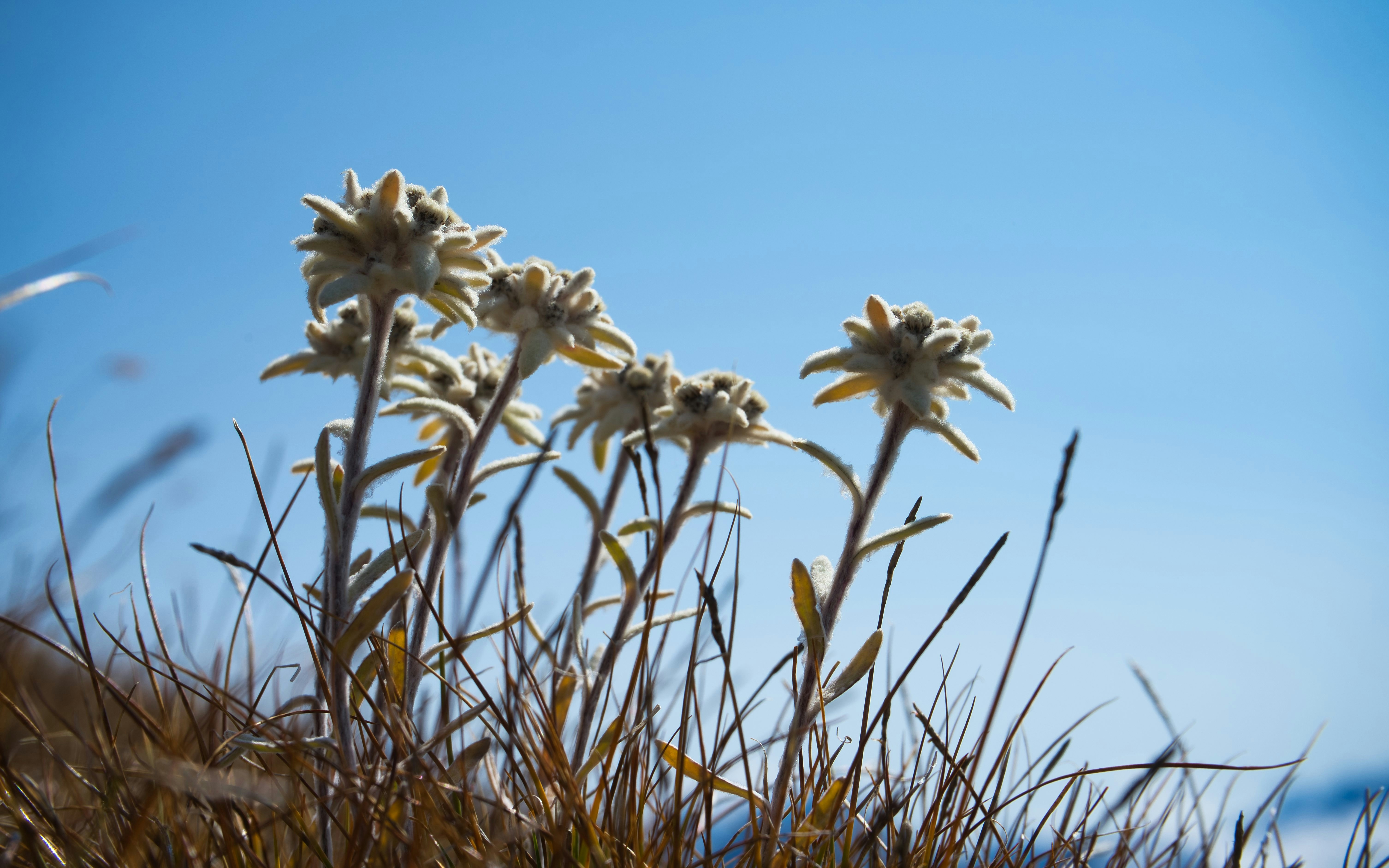
Above this begins the realm of alpine meadows, a true natural botanical garden where the most emblematic species of the eastern Alps flourish. Edelweiss (Leontopodium alpinum), the ultimate symbol of Alpine flora, grows alongside purple gentian (Gentiana purpurea), dwarf rhododendrons, and numerous endemic species such as Moretti’s bellflower and the Tyrolean primrose.

The cracks in the rock faces shelter highly specialized plant communities, including several species found only in the Dolomites, such as Draba dolomitica and the Dolomite houseleek (Sempervivum dolomiticum). These rock-dwelling plants have developed remarkable adaptations to survive in such extreme environments: powerful root systems, succulent leaves, and protective cushion-like growth forms.
Wildlife of the heights: masters of peaks and valleys
The wildlife of the Tre Cime di Lavaredo perfectly illustrates how animals adapt to high Alpine mountain conditions. Among the 115 breeding bird species recorded in the nature park, several are true emblems of these Dolomitic heights.

The golden eagle (Aquila chrysaetos) reigns supreme over these aerial territories, soaring majestically above the three towers to hunt marmots and young chamois. The rock ptarmigan (Lagopus muta), perfectly camouflaged in its seasonal plumage, inhabits rocky high-altitude areas, while the western capercaillie (Tetrao urogallus) animates the subalpine forests with its spectacular mating displays.
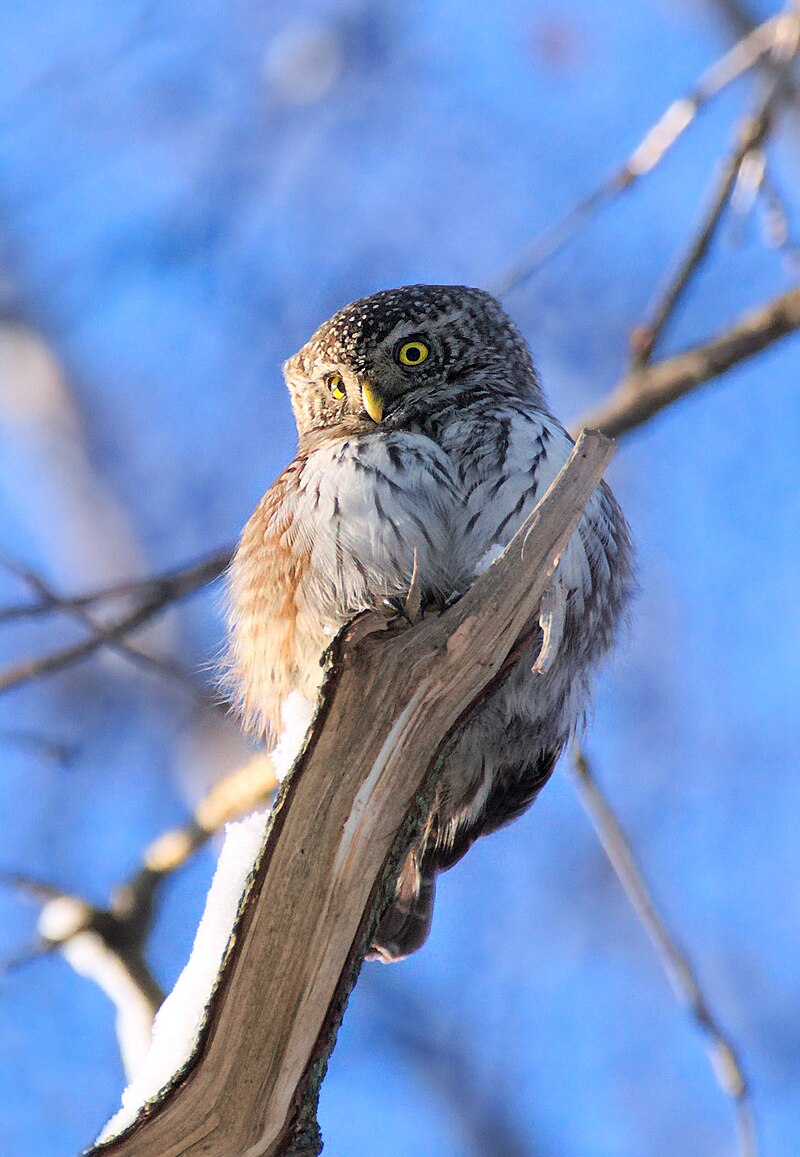
Among nocturnal raptors, the region hosts rare species such as the Eurasian pygmy owl (Glaucidium passerinum) and the boreal owl, perfectly adapted to coniferous forest environments.
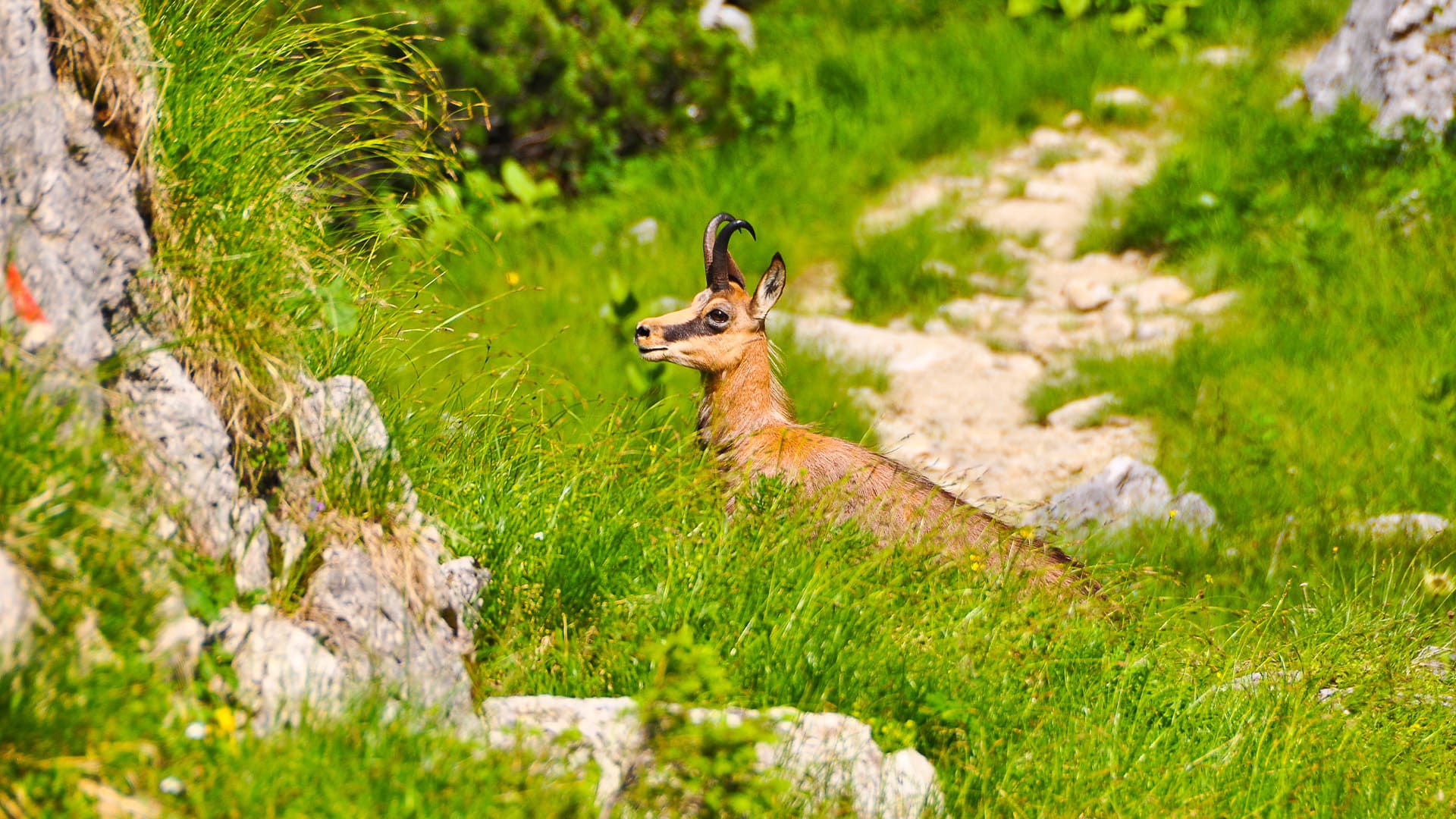
Large mammals find ideal living conditions in this territory. The chamois (Rupicapra rupicapra), with more than 3,000 individuals in the park, dominates steep slopes where its legendary agility allows it to move across the most vertiginous rock faces. The roe deer (Capreolus capreolus), present in populations exceeding 2,000 individuals, prefers forest edges and high-altitude clearings.
The recent return of large carnivores marks a positive evolution of the Dolomite ecosystem. The brown bear (Ursus arctos) and the Eurasian lynx (Lynx lynx) have occasionally been observed in the region, indicating improved environmental quality. More discreet but present, the wolf (Canis lupus) is gradually recolonizing its former Alpine territories.
Off the beaten track: discovering the Tre Cime step by step
Exploring the Tre Cime di Lavaredo offers a remarkable range of routes suited to all skill levels, from occasional hikers to experienced mountaineers. These historic paths, traced by generations of mountain people, reveal the many facets of this Dolomite sanctuary.
The classic loop: a contemplative tour of the three giants
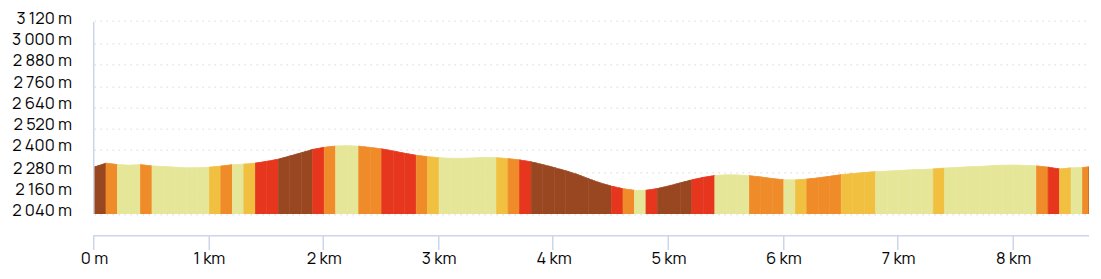
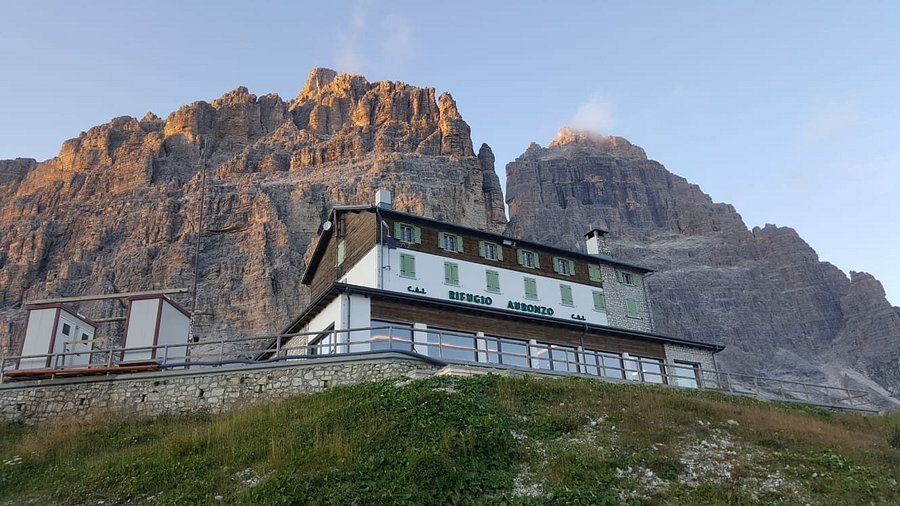
The iconic Tre Cime route consists of a 10.8-kilometer loop starting from the Rifugio Auronzo parking area (2,333 m). This moderately difficult hike, accessible to most people, allows you to discover the three towers from every angle in a full day of Alpine immersion.
The route begins with a gradual ascent toward Forcella Lavaredo (2,454 m), a strategic pass offering the first panoramic view of the north faces of the Tre Cime. This viewpoint reveals the classic alignment of the three peaks, immortalized by thousands of photographers for over a century.
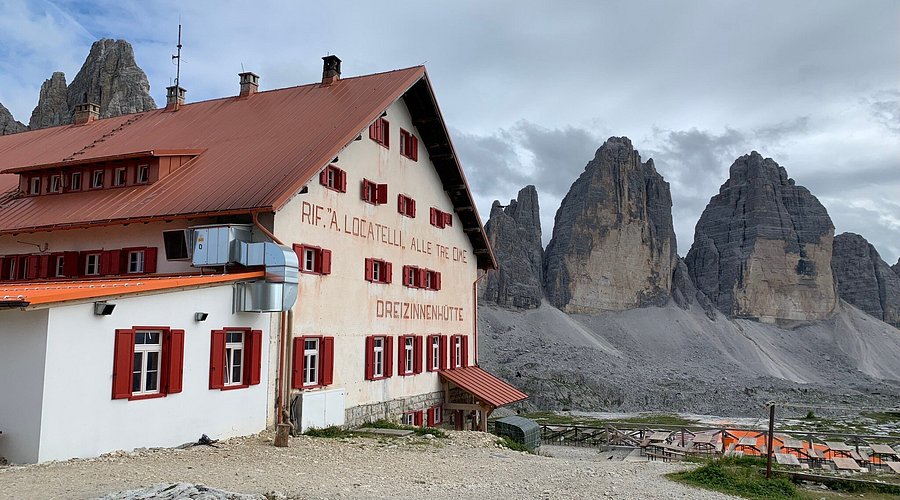
The hike continues toward Rifugio Locatelli (2,405 m), also known as Dreizinnenhütte, the main contemplative highlight of the walk. From this natural balcony, hikers discover the imposing north faces in all their verticality, gaining a deeper understanding of the attraction these walls hold for climbers from around the world.
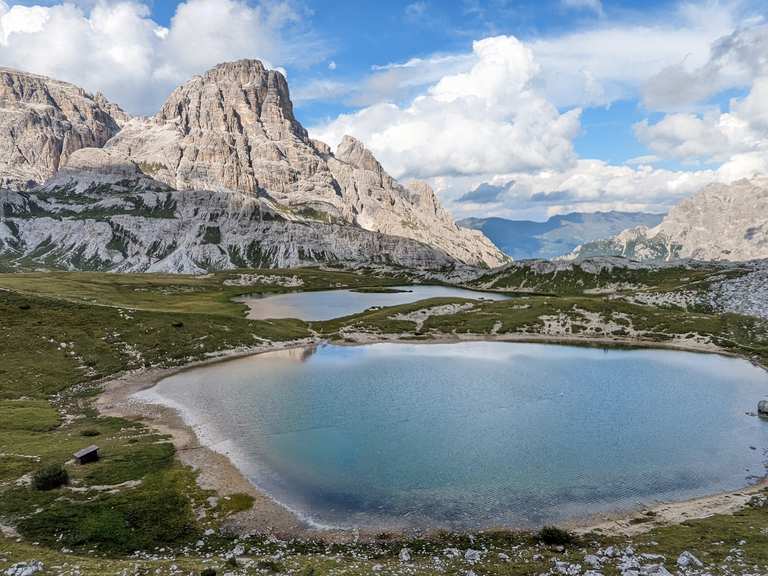
The return follows the Piani Lakes, small high-altitude mirrors set within a lunar landscape, before reaching Malga Langalm and Col Forcellina. This final section crosses stunning alpine meadows dotted with karst formations characteristic of Dolomite terrain.
The hike involves a 370-meter elevation gain and takes an average of 4 hours, including essential contemplation breaks in front of such scenery. The quality of the trail, wide and well maintained, allows for easy progress even for less experienced hikers.
Exploration variants: extending the adventure
For walkers eager to go further, several thematic extensions enrich the Tre Cime experience. Access to Monte Paterno (2,744 m) via the Innerkofler via ferrata offers a spectacular vertical dimension, revealing new panoramas over the entire Dolomite massif.
More adventurous hikers can include the Munich–Venice crossing, a legendary long-distance hiking route that places the Tre Cime within the grand perspective of a two-week transalpine journey, or our iconic Dolomites crossing from Verona to Venice in 10 days along lesser-known trails.
The approach from Lago d’Antorno (1,866 m) is an interesting alternative for purists wishing to avoid the toll road while gradually immersing themselves in the mountain atmosphere. This variant adds 7 kilometers and 612 meters of elevation gain, turning the outing into a more committed Alpine hike.
Alpine memory: the legacy of the first conquerors
The history of the Tre Cime di Lavaredo is intertwined with the birth of mountaineering in the Dolomites. These three towers form an exceptional laboratory for the evolution of climbing techniques, from the first ascents of the 19th century to modern free-climbing feats.
Paul Grohmann: pioneer of the Dolomite peaks
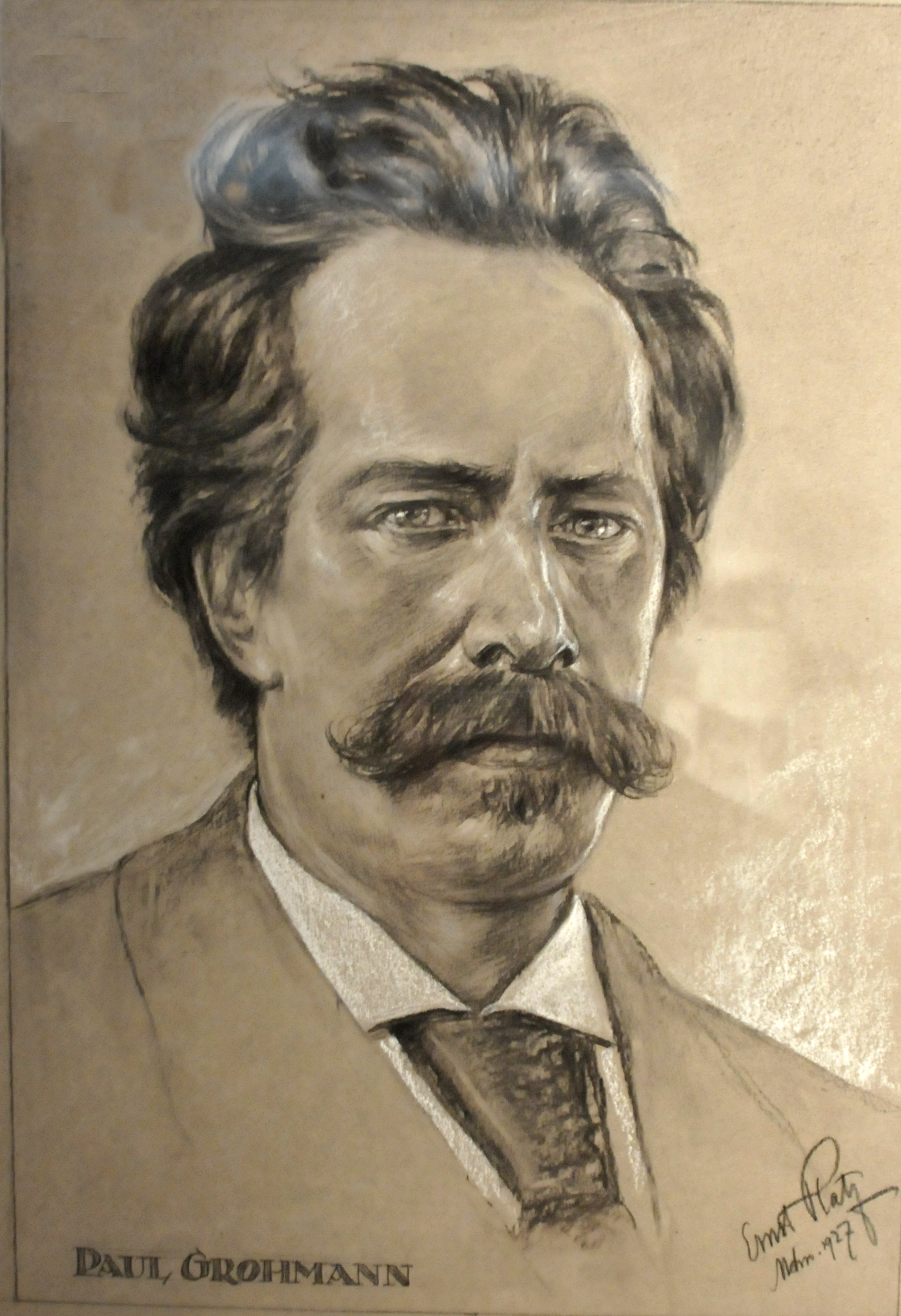
The conquest of the Tre Cime truly began on August 21, 1869, with Paul Grohmann, an Austrian mountaineer considered the main explorer of the Dolomites. Accompanied by his guides Franz Innerkofler and Peter Salcher, this tireless pioneer achieved the first ascent of Cima Grande via the normal route on the south face.
Born in Vienna in 1838, Grohmann discovered the mountains fifteen years earlier in the Hohe and Niedere Tauern ranges. From those summits, he first glimpsed the Dolomites to the south, where only a few peaks had been climbed by John Ball. Between 1863 and 1869, he ascended all the major peaks of the Dolomites, effectively opening these mountains to modern mountaineering.
His ascent of Cima Grande marked a historic turning point, transforming these mysterious towers into coveted Alpine objectives. Grohmann carefully documented his explorations, leaving behind invaluable descriptions of these then-untouched territories.
Technical evolution: 150 years of vertical history
Cima Grande perfectly illustrates the evolution of mountaineering over a century and a half. After Grohmann’s pioneering ascent via the south face, successive generations of climbers pushed the limits of what was possible on these legendary walls.
In 1913, Hans Dülfer, considered “the best climber before the First World War”, opened a route on the west face, introducing revolutionary free-climbing techniques for the time. This ascent marked the emergence of a more athletic style of mountaineering, where pure technique gradually replaced artificial progression.

The year 1933 marked a major milestone with the north face ascent by Emilio Comici and the brothers Angelo and Giuseppe Dimai. This spectacular achievement, on one of the most impressive walls in the Alps, firmly established the Tre Cime as a must-visit site in world mountaineering.
The following decades saw a succession of feats: the Directissima by Lothar Brandler and Dietrich Hasse in 1958, using extensive aid climbing to overcome overhangs, followed by the evolution toward modern free climbing, culminating in Alex Huber’s free solo ascent in 2002.
This progression reflects the overall evolution of mountaineering—from hesitant early steps to contemporary athletic performances—making the Tre Cime a true “mirror of the evolution of alpinism”, in the words of Reinhold Messner.
Practical immersion: planning your discovery of the Tre Cime
Visiting the Tre Cime di Lavaredo requires careful preparation, as these iconic peaks attract significant numbers of visitors, especially during the summer season. Thoughtful planning ensures the best possible experience of this Dolomite jewel.
Access and parking: navigating constraints and solutions
Access to the Tre Cime is mainly via the toll road starting from Lake Misurina and leading to Rifugio Auronzo. This scenic road, open from late May to late October, now requires mandatory booking via the portal pass.auronzo.info.
The fee of €40 for 12 hours (cars) may seem high, but this measure aims to regulate visitor numbers and preserve the fragile high-altitude environment. Motorcyclists pay €26, while motorhomes are charged €60 for the same duration.
Several budget-friendly alternatives are worth considering. The free parking at Lago d’Antorno allows you to avoid the toll, at the cost of an additional 7 kilometers of hiking and 612 meters of elevation gain. This option appeals to purists seeking a more authentic approach.
The shuttle service is an eco-friendly alternative, connecting Dobbiaco to Rifugio Auronzo from late May to early October. This option allows you to enjoy the scenery without parking constraints while contributing to site preservation.
Timing your visit: escaping the crowds
The popularity of the Tre Cime leads to heavy visitor numbers in summer, especially between 9 a.m. and 4 p.m. Savvy hikers opt for an early start (before 7 a.m.) or a late one (after 3 p.m.) to fully enjoy the serenity of the area.
The months of September and October offer ideal conditions: generally stable weather, fewer crowds, and autumn colors enhancing the Dolomite landscapes. Late May and June are also favorable, with the added bonus of alpine flowers blooming in the high meadows.
Winter transforms the Tre Cime experience entirely. With the toll road closed, access is by snowshoes or ski touring from Misurina, adding an adventurous dimension to discovering these snow-covered giants.
Equipment and safety: preparing for mountain whims
The high altitude (exceeding 2,400 meters) and exposure to the elements require proper equipment even for the classic hike. Sturdy hiking boots, wind- and rain-protective clothing, sunscreen, and sunglasses are the bare minimum.
Alpine weather can change rapidly at altitude. It is not uncommon to experience sun, clouds, rain, and hail in a single outing. Carrying an extra layer and waterproof protection always proves worthwhile.
Hydration and nutrition require special attention. Although Rifugio Locatelli offers food during the season, being self-sufficient ensures valuable independence. Physical effort at altitude increases hydration needs: plan for at least 1.5 liters of water per person.
With Grand Angle: extending the Dolomite adventure
The Tre Cime di Lavaredo are an ideal base for discovering the wider Dolomite heritage. Grand Angle offers several thematic extensions to deepen this Alpine immersion.
The great Dolomites crossing from Verona to Venice places the Tre Cime within the grand perspective of a 10-day circuit exploring the most beautiful massifs of this UNESCO region. This comprehensive approach reveals the geomorphological and cultural diversity of the Dolomites.
For cycling enthusiasts, the Munich–Venice bike crossing includes a passage near the Tre Cime in a transcontinental route blending Bavarian culture, Alpine landscapes, and Venetian art. This format appeals to travelers seeking to combine physical effort with cultural discovery.
The most beautiful refuges in the Dolomites are a theme particularly suited to lovers of traditional Alpine architecture and mountain gastronomy. This option allows you to experience Dolomite lifestyle in its most authentic form.
The Tre Cime di Lavaredo go beyond mere geological curiosity to embody the very essence of the Alpine experience. These three Dolomitic sentinels, forged by millennia of natural history and shaped by a century and a half of human adventure, offer today’s traveler a total immersion in mountain grandeur.
From their vertical walls—remnants of ancient tropical reefs—emanates a mineral power that stirs the soul and inspires contemplation. Their high-altitude ecosystems host remarkable biodiversity, reminding us that the mountains remain a living sanctuary where each species finds its place in the fragile balance of the heights.
Beyond the natural spectacle, the Tre Cime tell the story of modern mountaineering, from the first steps of Paul Grohmann to contemporary achievements. They perpetuate this tradition of exploration and self-transcendence that defines the spirit of the Alps.
For today’s hiker, whether novice or experienced, these Dolomitic giants offer a complete experience: measured physical effort, breathtaking scenic immersion, and deep cultural enrichment. It is this promise of accessible and authentic adventure that Grand Angle has cultivated for over 40 years, guiding you in discovering the most secret and spectacular Dolomites.
Join us to experience this unique adventure in the heart of the Tre Cime di Lavaredo, where every step reveals a new face of these stone cathedrals and every gaze reaches toward the infinite horizon of Dolomite peaks. Contact our experts at +33 (0)4 76 95 23 09 to build your tailor-made adventure together in this mineral sanctuary of the eastern Alps.
Share the article on

Written on 10/02/2026 by:
Solène Roux
Responsable Éditoriale
Travel ideas

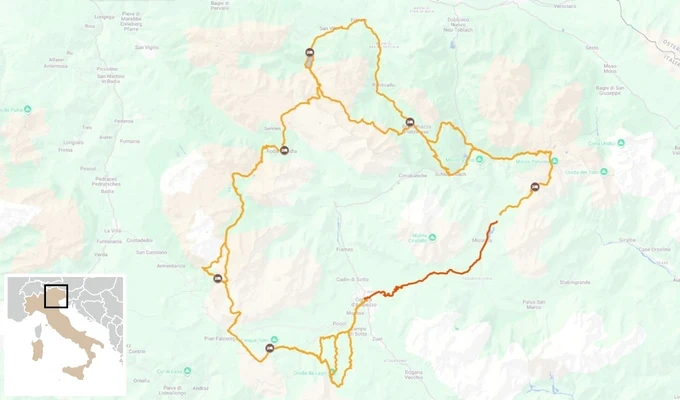
Dolomites Hut to Hut, from Lago di Braies to Tre Cime di Lavaredo
- Level
-
- Comfort
-
- Travel from
- 7 days
From 830,00 €