Why cycle along the Adriatic Sea?
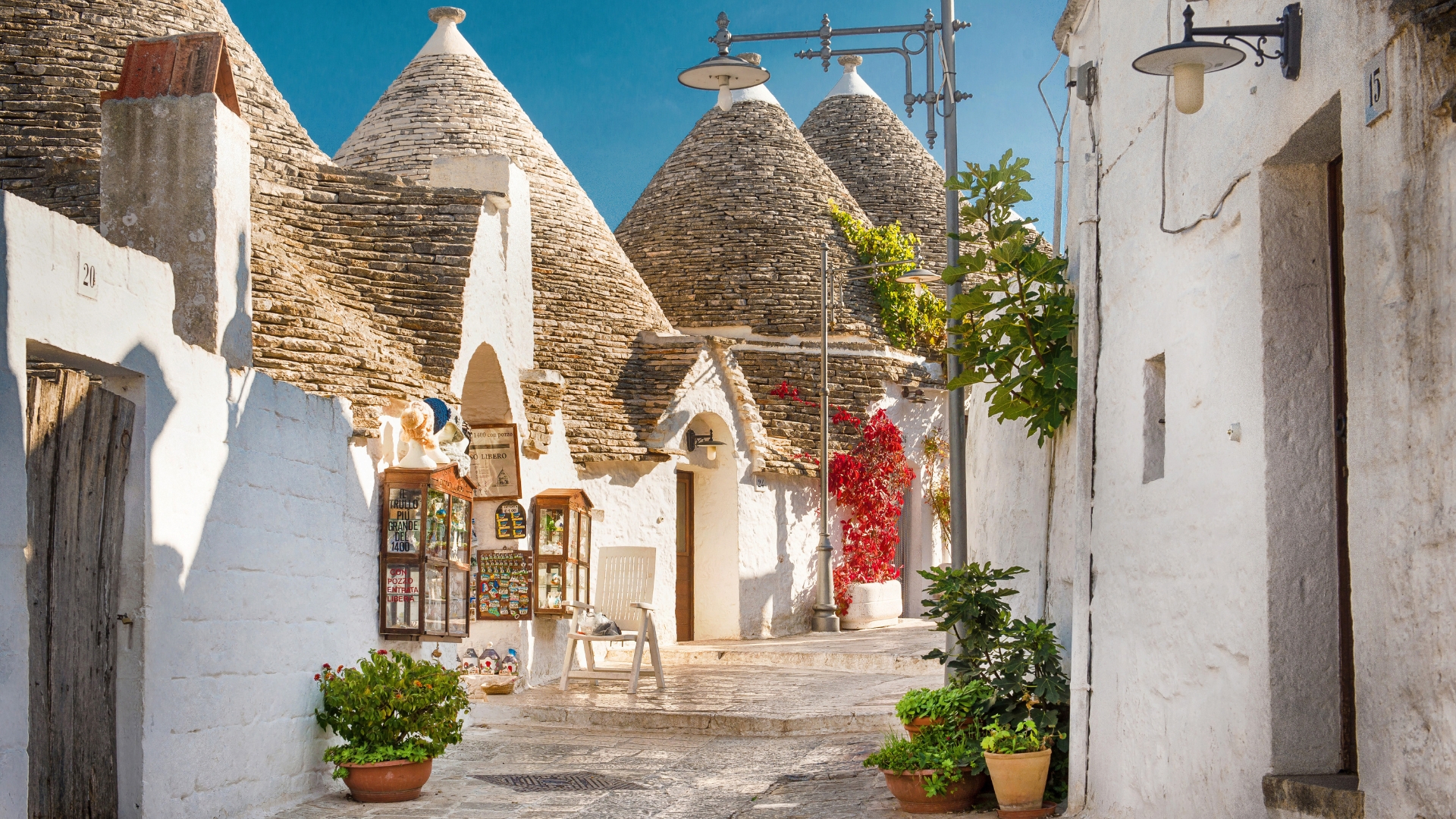
The Adriatic basin presents a unique cycling environment where Mediterranean culture meets diverse terrain. In Italy's Puglia region, cyclists traverse rolling olive groves and limestone plateaus before reaching the coast, passing through UNESCO-listed towns like Matera with its ancient sassi cave dwellings and Alberobello with its distinctive cone-roofed trulli. The region's flat to gently rolling terrain makes it accessible to a wide range of cyclists, while its mild climate extends the cycling season well into spring and autumn.
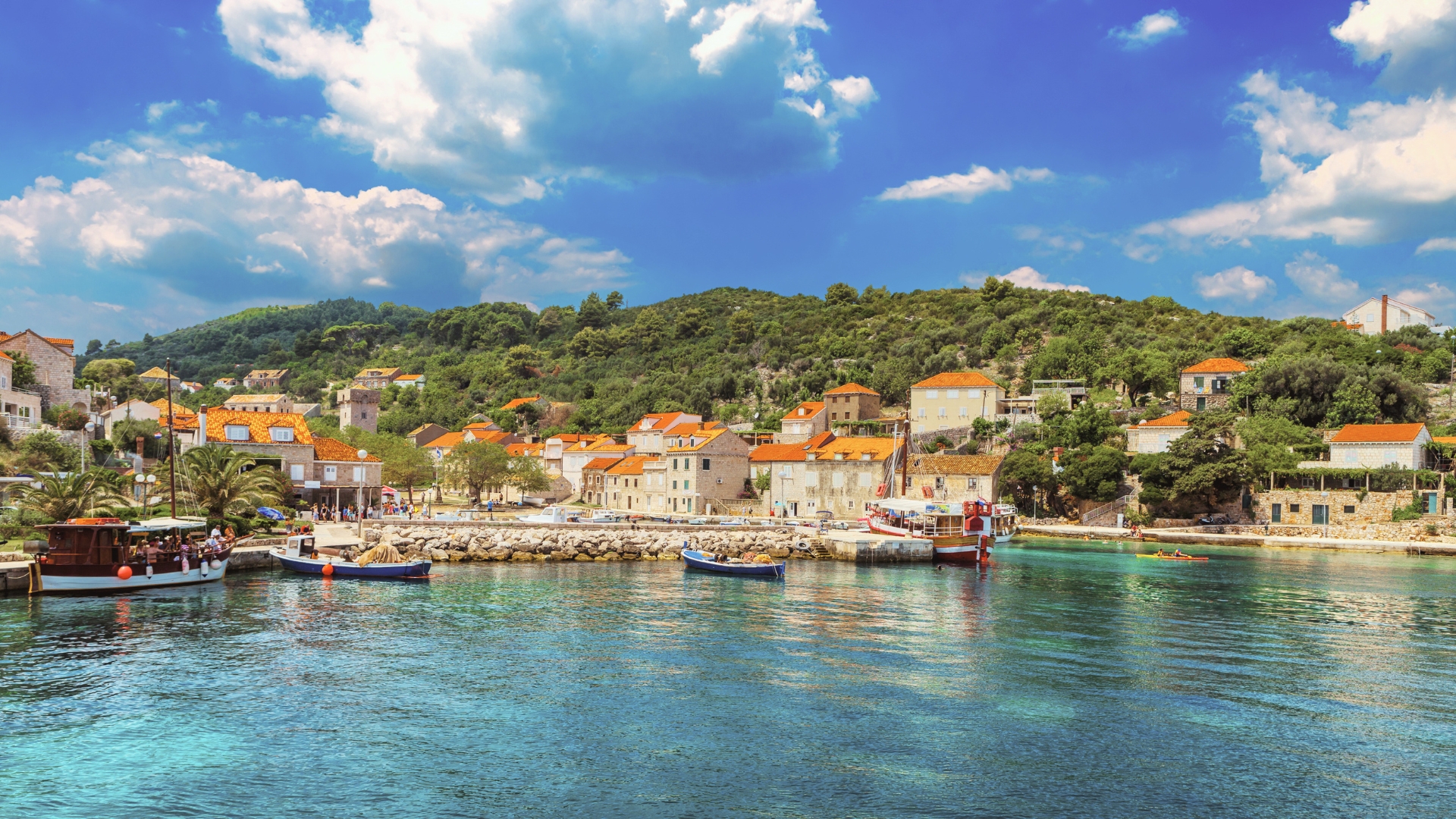
Croatia's Dalmatian coast offers a different character entirely. Here, cycling often combines land and sea travel, with bike and boat tours providing access to islands like Hvar, Korčula, and Brač. The coastal roads wind between historic ports where Venetian architecture lines narrow stone streets, while inland routes climb through Mediterranean scrubland offering views across the island-dotted sea. This combination of cycling and sailing creates a distinctive rhythm to the journey, with each day bringing new islands and coastal towns to explore.
Our self-guided bike tours along the Adriatic
Grand Angle's approach to self-guided cycling tours provides the infrastructure needed for independent exploration without the constraints of group schedules. Each morning, you receive detailed route notes and GPS tracks that guide you through the day's ride, while your luggage is transferred to the next accommodation. Our local partners maintain support networks along the routes, and many of our Adriatic itineraries include a support vehicle or boat crew familiar with the region.
The Puglia itinerary focuses on southern Italy's cultural and culinary landscape, with routes that connect historic towns through quiet country roads and coastal paths. Daily distances are moderate, typically 25-35 miles, allowing time to visit sites like Castel del Monte or to linger in seaside villages for lunch. The Croatian bike and boat format offers a distinct experience: you cycle during the day and sleep aboard a traditional Croatian motorboat, waking each morning in a new port or island cove.
Puglia: trulli, sassi, and the Salento peninsula
Southern Italy's Puglia region rewards cyclists with varied terrain and remarkable cultural sites. The route through the Valle d'Itria brings you through a landscape of dry stone walls and ancient olive trees, where the trulli of Alberobello form one of Italy's most distinctive townscapes. Further west, Matera's sassi districts cascade down limestone ravines—cave dwellings inhabited for millennia, now recognized as a UNESCO World Heritage site.
The Salento peninsula, Italy's heel, offers coastal riding along both the Adriatic and Ionian seas. Here, baroque churches rise above small fishing ports, and the cuisine shifts toward Greek influences reflecting the region's long history of Mediterranean trade. The relatively flat terrain and well-maintained rural roads make this region particularly suitable for cyclists seeking cultural exploration at a relaxed pace.
Dalmatia: islands, medieval ports, and coastal routes
Croatia's Dalmatian coast presents a different cycling proposition, one where the journey between islands becomes as significant as the destinations themselves. The bike and boat format allows access to islands that would be difficult to reach and explore on a conventional cycling tour. Each island has its character: Hvar with its lavender fields and Venetian architecture, Korčula with claims to being Marco Polo's birthplace, Brač with its distinctive white stone quarried for buildings across the Mediterranean.
Cycling routes on the islands range from coastal paths with sea views to inland roads climbing through pine forests and Mediterranean maquis. The medieval ports—Split, Trogir, Dubrovnik—provide urban counterpoints to the island villages, their stone streets and Renaissance palaces testament to centuries as Venetian trading posts. Our Croatian partners know these waters well, selecting anchorages and cycling routes that balance activity with the opportunity to swim in quiet coves or explore historic town centers.
When to cycle the Adriatic coast
The Adriatic cycling season extends longer than in northern Europe, with favorable conditions from April through October. Spring (April-May) brings moderate temperatures and flowering landscapes, though occasional rain is possible. This period suits cyclists who prefer cooler conditions and quieter routes before the summer season begins.
Summer months (June-August) offer reliable sunshine and warm seas ideal for swimming breaks, but temperatures in Puglia can reach 85-95°F, making early morning starts advisable. Croatia's coastal climate remains somewhat cooler due to sea breezes, and the island-hopping format allows for swimming stops during the hottest part of the day. Those interested in summer active travel should consider the heat when planning daily distances.
Autumn (September-October) provides many cyclists' preferred conditions: warm but not hot days, calmer seas, and reduced tourist numbers in popular sites. The grape harvest occurs during this period in both regions, and many local festivals celebrate the season. For travelers exploring autumn adventures in Europe, the Adriatic coast offers an extended season when other regions have turned wet and cold.
Choosing your Adriatic cycling adventure
When selecting between our Adriatic itineraries, consider both the cycling style and cultural focus that appeals to you. The Puglia tour offers more consistent daily cycling with a focus on inland cultural sites and rural landscapes, staying in small hotels and agriturismi. This format suits cyclists who enjoy the rhythm of daily rides connecting distinct destinations, similar in approach to our Italian cycling tours in other regions.
The Croatian bike and boat experience combines moderate daily cycling with the unique aspect of moving accommodations—you unpack once aboard the boat while exploring multiple islands. This format works well for those who appreciate variety in their daily scenery and don't mind the more compact sleeping quarters of a motorboat cabin. The combination of cycling, sailing, and swimming creates a multi-activity holiday that appeals to active travelers seeking variety.
Both regions offer relatively gentle cycling suitable for regular cyclists rather than requiring high fitness levels. The Croatian routes include some coastal climbing, while Puglia's terrain is predominantly flat to rolling. If you're comparing these with other self-guided European cycling adventures, the Adriatic tours generally present less demanding terrain than Alpine routes while offering distinct cultural and coastal attractions.
Exploring more of Italy and Croatia
Travelers drawn to the Adriatic coast often find that Italy and Croatia offer extensive opportunities for both cycling and hiking beyond these specific itineraries. In Italy, the tradition of cycling through diverse regions extends from the Alpine foothills to Sicily, with routes like the Tuscan countryside between Pisa and Florence or the gastronomic routes of Emilia-Romagna providing different regional experiences.
For those interested in mountain landscapes, the Italian Dolomites offer world-class hiking opportunities in a dramatically different environment from the coastal Adriatic. The contrast between coastal cycling in Puglia and alpine hiking in the Dolomites showcases Italy's remarkable geographic diversity within a single country.
Croatia's outdoor tourism extends beyond Dalmatia, with opportunities for island hiking and coastal walking that complement the cycling routes. Many travelers combine different activity types within the Adriatic region, perhaps cycling the coast before hiking in the nearby mountains, or exploring both the Italian and Croatian sides of the sea. If you're planning a custom itinerary combining multiple regions or activities, our team can help design personalized adventures that match your interests and timeline.
Practical information for Adriatic cycling
Both our Adriatic cycling tours operate as self-guided adventures with full support infrastructure. In Puglia, you'll typically stay in three-star hotels and family-run agriturismi, with daily luggage transfers allowing you to ride with just a daypack. The Croatian bike and boat tour provides cabin accommodations aboard a traditional motorboat with shared facilities, eliminating the need for luggage transfers as you carry everything aboard.
Bike rentals are included in both itineraries, with hybrid or touring bikes suitable for the mixed surfaces you'll encounter. E-bikes are available for those who want assistance on climbs or prefer to conserve energy for longer days. The routes primarily follow quiet rural roads and marked cycling paths, though some sections in Croatia use coastal roads that can carry local traffic during summer months.
Most international travelers fly into regional airports—Bari for Puglia, Split or Dubrovnik for Dalmatia—with transfers to the starting points arranged through our local partners. The combination of direct route guidance, local support, and carefully selected accommodations provides the freedom of independent travel with the security of knowing experienced partners are available if needed. For questions about specific tour logistics or to discuss which itinerary best matches your interests, our team is available through our contact page.




Pearls of Dalmatia by Bike & Boat